UK Railcard Explained: Types, Prices and How to Save
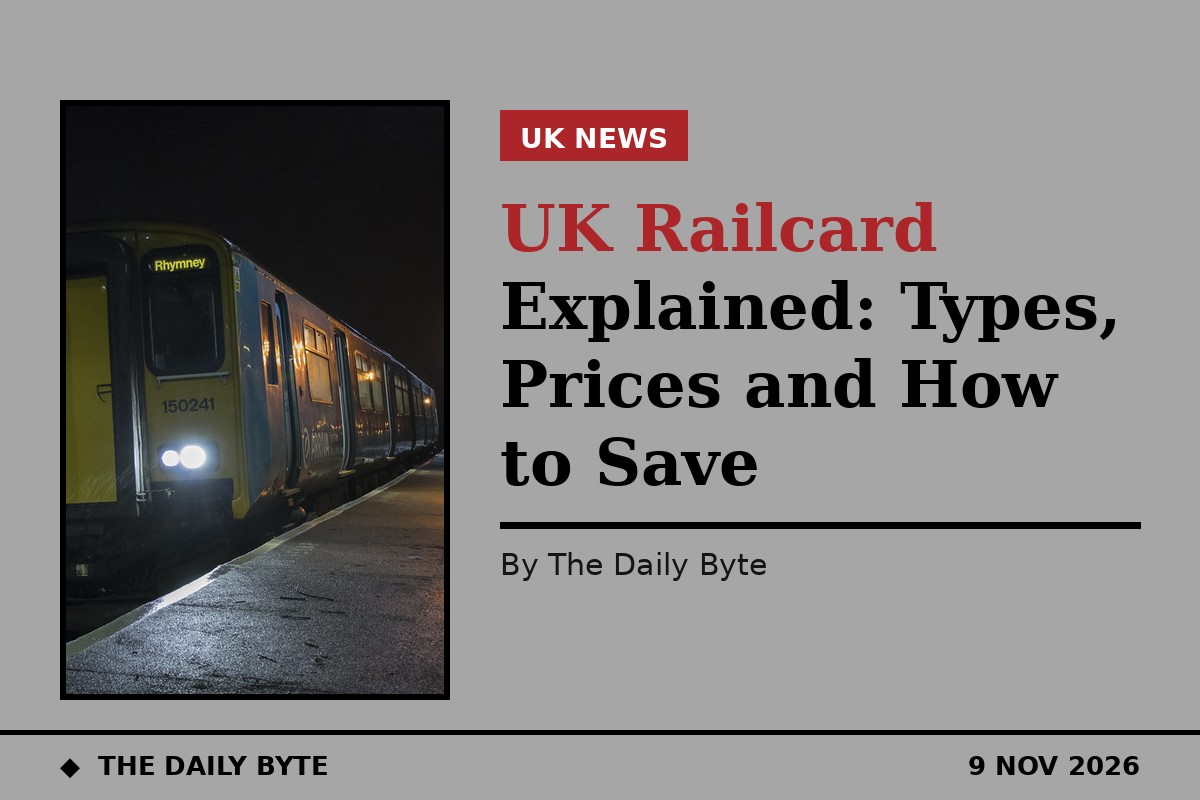
A Railcard is a discount card that cuts the cost of most train fares across Great Britain by a third, and for most holders it costs £35 for one year. There are nine types of Railcard, covering young people, older travellers, families, couples, veterans and disabled passengers, and the official Railcard website says most people are eligible for at least one of them. This guide explains each type, what it costs, the restrictions to watch for, and how to buy one.
The headline saving is straightforward: a Railcard gives you up to a third off eligible train tickets for journeys across England, Scotland and Wales. The official Railcard site puts the average saving at around £172 a year for combined Railcard holders, based on savings made between April 2025 and March 2026 and excluding the price of the Railcard itself. Individual cards vary, with some holders saving considerably more. You can buy a Railcard as a digital card on your phone through the Railcard app, or as a physical card, and most cards are valid for either one year or three years.
How much does a Railcard cost?
Most Railcards cost £35 for one year. The three-year versions of the cards that offer them cost £80, which saves £25 compared with buying three separate one-year cards. The exception is the Disabled Persons Railcard, which costs £20 for one year or £54 for three years. The 16-17 Saver costs £35 for one year, or until the holder turns 18, whichever comes first. The 26-30 Railcard and the Network Railcard are one-year only, at £35 each, and the Two Together Railcard costs £35 for one year.
That means the cost of a one-year Railcard is usually recovered quickly. A single long-distance return journey can save more than the price of the card, and regular travellers can save hundreds of pounds over the year. The three-year option is worth considering if you expect to keep travelling, because it also protects you against future price rises. Prices can change, so check the official Railcard website for the current price before you buy.
The nine Railcards at a glance
There are nine types of Railcard: the 16-17 Saver, the 16-25 Railcard, the 26-30 Railcard, the Disabled Persons Railcard, the Family and Friends Railcard, the Network Railcard, the Senior Railcard, the Two Together Railcard and the Veterans Railcard. Eligibility depends on things like your age, whether you have a disability, whether you served in the Armed Forces, and who you normally travel with. Each card has its own discount, its own eligibility rules and its own restrictions, so it is worth comparing them before you buy.
Railcards for young people: 16-17 Saver, 16-25 and 26-30
The 16-17 Saver is designed for young people aged 16 and 17. It is the most generous of the Railcards, offering 50 per cent off most rail fares, with a potential yearly saving of over £400 based on travel usage and Railcard data between April 2025 and March 2026. It costs £35 for one year, or until the holder turns 18, whichever comes first. It is not valid on ScotRail or the Caledonian Sleeper.
The 16-25 Railcard is aimed at students and young adults aged 16 to 25, as well as mature students in full-time education. It gives a third off most train fares and is one of the most popular Railcards in the UK. It costs £35 for one year, or £80 for three years, with potential yearly savings of £212. A minimum fare of £12 applies if you are travelling before 10am, Monday to Friday. Mature students need to provide proof of full-time study, and the application can take up to five extra days while documents are checked.
The 26-30 Railcard offers a third off rail fares for adults aged 26 to 30, and is designed for young professionals. It is digital only, valid for one year, and costs £35. Holders can save on average £283 per year, or £4.58 per journey, according to National Rail data. As with the 16-25 Railcard, a minimum fare of £12 applies if you are travelling before 10am, Monday to Friday.
Senior, Veterans and Disabled Persons Railcards
The Senior Railcard is available to anyone aged 60 and over. It gives a third off most rail fares and costs £35 for one year, or £80 for three years. Holders could save around £5.27 a journey, or £114 a year. Minimum fare and time restrictions apply, so check the terms for your card before travelling.
The Veterans Railcard is available to UK Armed Forces veterans who have served at least one day in the UK Armed Forces, Regular or Reserve, or to UK Merchant Mariners who have taken part in eligible military operations. It costs £35 for one year or £80 for three years, and can save around £303 a year. It gives a third off travel for the veteran and one adult companion, and 60 per cent off tickets for up to four children. A minimum fare of £12 applies if travelling before 10am, Monday to Friday.
The Disabled Persons Railcard gives a third off rail fares for eligible travellers who have a qualifying disability. It also extends the discount to an adult companion travelling with them, which helps to reduce the cost of assisted travel. It costs £20 for one year or £54 for three years, and based on usage, holders can save up to £132 a year. There are specific eligibility requirements, and you may need to provide proof of your disability when you apply. Eligibility was expanded in March 2026, so people who hold a Blue Badge, a Disabled Persons Bus Pass or a London Freedom Pass, are unable to drive on medical grounds, or receive Armed Forces Compensation Scheme or Industrial Injuries Benefit may now qualify.
Railcards for travelling together: Family and Friends and Two Together
The Family and Friends Railcard is designed for families travelling together. It covers up to four adults and four children travelling on one card. Adults get a third off fares, while children aged 5 to 15 get up to 60 per cent off. Children under five travel free. It costs £35 for one year or £80 for three years, with potential savings of £125 in a year. At least one named cardholder and one child must travel together for the discount to apply.
The Two Together Railcard gives a third off most adult train tickets for two named people travelling together. It costs £35 for the year, which works out at £17.50 per person, and has a potential yearly saving of £106. Both passengers must travel on the same journey to receive the discount, so it suits couples or regular travel companions who usually make the same trips together.
The Network Railcard: for London and the South East
The Network Railcard is for anyone aged 16 or over who travels in the Network Railcard area, which covers London and the South East. It offers a third off most off-peak fares within that area, and 60 per cent off child tickets. It is a one-year card costing £35, and could save up to around £154 a year. A minimum fare of £13 applies Monday to Friday, and a £1 minimum fare applies to child tickets at all times. It cannot be used for discounts on Season tickets, or on weekly and monthly Travelcards. If you live in the South East and make regular off-peak trips, it can be good value, but it is of little use if most of your travel is outside the area or during the weekday morning peak.
What is included, and what is not?
Railcard discounts apply to a wide range of ticket types, including Standard and First Class Anytime, Off-Peak, Super Off-Peak and Advance tickets, depending on the card. Some cards also cover Anytime Day Travelcards bought as part of a ticket from outside London Zones 1 to 9, subject to a minimum fare of £23.60. The exact list varies by card, so check the page for the card you are considering.
There are restrictions to watch for. Season tickets are generally excluded, so a Railcard will not reduce the price of a weekly, monthly or annual season ticket. Minimum fares apply on some cards for travel before 10am on weekdays, and some cards are off-peak only on weekday mornings. The 16-17 Saver is not valid on ScotRail or the Caledonian Sleeper, and the 26-30 Railcard is not valid on the Caledonian Sleeper. Discounts usually apply to standard class travel unless otherwise stated. You must also carry your Railcard when you travel, because tickets bought with a Railcard discount can be checked at any time, and you may be asked to show proof of age, residency or eligibility.
How to buy a Railcard
You can buy a Railcard online through the official Railcard website or app, or at a station. If you buy a digital Railcard online, an activation link is sent to your email as soon as your Railcard is ready, and you use it to add the card to your phone through the Railcard app. If you buy a 16-17 Saver or a Veterans Railcard, you will get a download code instead. If you buy a physical Railcard, allow up to 10 days for standard delivery. Special delivery orders placed before 5pm, Monday to Thursday, are delivered within two days, and orders placed before 11am, Friday to Sunday, are delivered within three days. If you buy at a station, your Railcard should be available to use right away.
Some Railcards need extra time to process. These include the 16-17 Saver, the 16-25 Railcard for mature students, the Disabled Persons Railcard and the Veterans Railcard. Allow up to five extra days for the team to verify your documents and complete your order. You can renew online up to 30 days before your Railcard expires, and if you bought online you will get an email reminder when renewal is due. If you bought at a station, you cannot renew online, but you can sign up for a Railcard account and buy a new one online when the old one expires. Check that your Railcard is in date before buying discounted tickets.
Is a Railcard worth it?
For most regular travellers, the answer is yes, and the maths is simple. A £35 card that saves a third on fares pays for itself once you have saved £35 on tickets, which can happen on a single long-distance return journey or a handful of shorter trips. The official average saving of around £172 a year is well above the cost of the card, and the average savings published for individual cards range from around £106 a year for the Two Together Railcard to over £400 a year for the 16-17 Saver. Even occasional travellers can come out ahead if they make one or two longer journeys in the year.
The exceptions are worth noting. If you almost always travel on a Season ticket, a Railcard will not help, because Season tickets are excluded. If you only travel within the morning peak on weekdays, minimum fares and time restrictions may limit your savings. And if you only ever travel in an area the Network Railcard does not cover, that card is not the right choice. For everyone else, the first step is to work out which card you are eligible for, then to check the restrictions that apply to it, and then to buy it through the official Railcard website or app. Prices and offers change from time to time, so check the current price and any promotional discounts before you pay.
Frequently asked questions
Can I use a Railcard on Season tickets? No. Railcard discounts do not apply to Season tickets, or to weekly and monthly Travelcards on the Network Railcard. If you commute every day on a Season ticket, a Railcard will not reduce that cost.
Can two people share one Railcard? No, a Railcard is issued to a named holder, except for the Two Together Railcard, which names two people who must travel together, and the Family and Friends Railcard, which covers the named adults and children travelling together.
Do I need a physical card? No. You can buy a digital Railcard and carry it in the Railcard app on your phone. Physical cards are still available if you prefer one, and you can buy at a station and use it straight away.
What happens if I lose my Railcard? You can replace a lost or stolen physical Railcard through your Railcard account. A replacement is normally limited to one in any 12-month period, and an administration fee applies, so keep your card safe and consider the digital version if you are likely to misplace a physical one.
A Railcard is one of the simplest ways to cut the cost of train travel in Britain, and for most people there is a card that fits. Check your eligibility, compare the restrictions, and buy through the official Railcard website so you know you are getting a genuine card at the published price.