Under-25s to lose sickness benefits in welfare overhaul
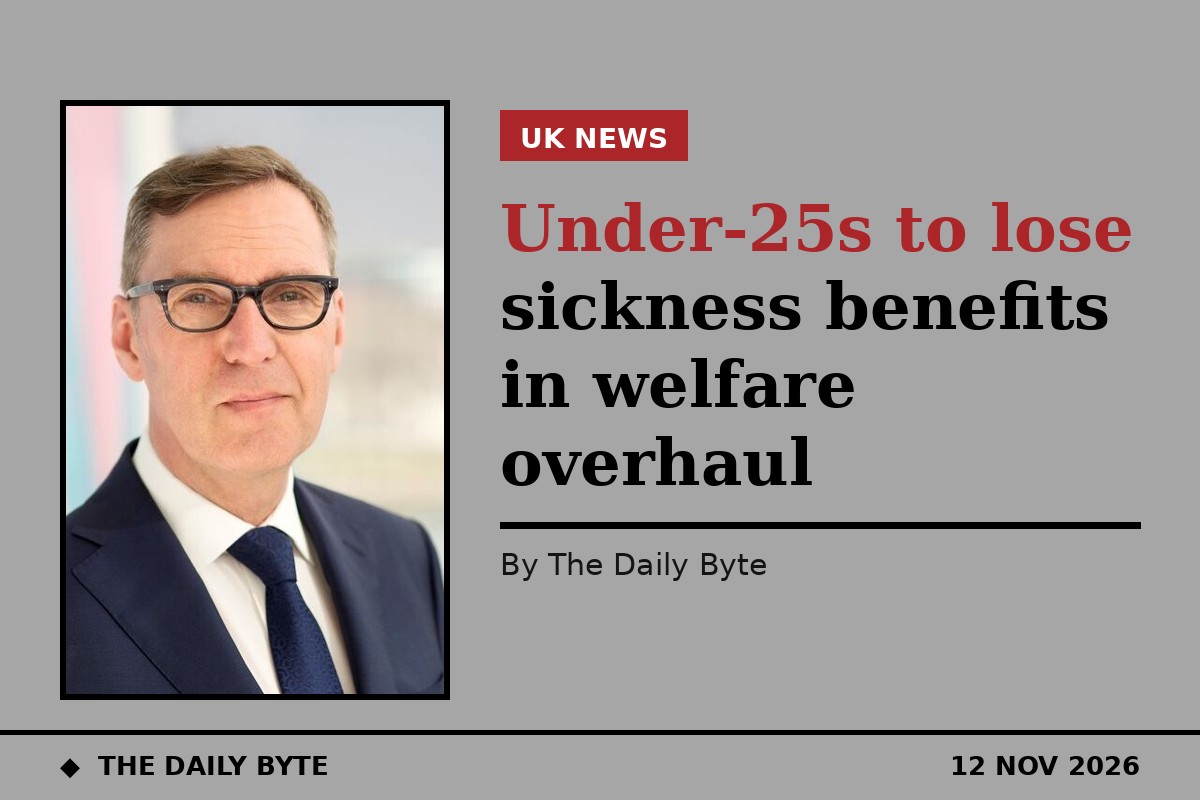
Young people under the age of 25 would be moved off the main sickness and disability benefits under recommendations in a government-commissioned review due to be published next week. The proposals from Alan Milburn, a former Labour health secretary, would amount to one of the most far-reaching changes to the welfare system in years.
At the heart of the report is a plan to take under-25s off the health element of Universal Credit and off Personal Independence Payment, known as PIP. In their place, young claimants would receive an allowance paid at the same basic rate as Universal Credit. Some would also qualify for a new additional cost allowance to help with day-to-day costs linked to their conditions, while those with the most severe disabilities would receive a separate benefit paid at a higher rate.
Milburn has been candid that the change would not be pain-free. He has said some young people would receive less financial support than they do now, particularly at the start of a benefit claim, and that the proposals would affect both existing and new claimants. The government is expected to take the recommendations forward into legislation in the new year.
Why the review was commissioned
Milburn was asked by the government to help reduce the number of 18- to 24-year-olds who are not in education, employment or training, a group known as NEETs. Around one in eight young people in that age range falls into the category. Figures from the Office for National Statistics covering April to June put the number at just under one million, a rise of 3 per cent on the same period last year.
Milburn argues that hundreds of thousands of young people are stuck in a benefit system that traps them in poverty and offers no route into work. His answer is to pair lower cash payments at the start of a claim with much larger investment in employment support, including work placements, job subsidies and one-to-one personal advisers. The government would invest billions of pounds in that support under the proposals.
There would also be conditions attached. Young people could lose some of their support if they did not take up the extra help on offer. Milburn has described entitlements and responsibilities as two sides of the same coin, arguing that a deal is not a deal unless there are potential consequences for refusing to engage.
Who would be affected
The additional cost allowance would go to a smaller group than the 453,000 young people who currently claim PIP. It would be paid to those with significant, well-established and ongoing costs relating to their disability, covering help such as assistance, mobility, specialist transport or daily living support. It would not be means-tested, and people would receive the money whether or not they were in work.
Those with profound and lifelong conditions who can never reasonably be expected to work would be given a new benefit paid at a higher rate. The proposals also raise questions for Scotland, where responsibility for some welfare benefits is divided between Westminster and Holyrood.
What happens next
The recommendations are likely to be backed by Prime Minister Andy Burnham, but they could prove controversial among Labour MPs, many of whom opposed welfare reform under his predecessor Sir Keir Starmer. A government spokesperson has stressed that a safety net would remain for the most vulnerable and those unable to work, while adding that the prime minister has been clear that a wholesale change is needed in the way young people are supported.
The financial case for the change is a long-term one. Even if the recommendations were approved, it could take almost a decade for the state to see monetary savings, and Milburn has said rebuilding the system from scratch would cost money before it saved any. Whether his vision becomes law will now depend on the political reception in the months ahead.