Visitor Levy Bill faces Commons second reading
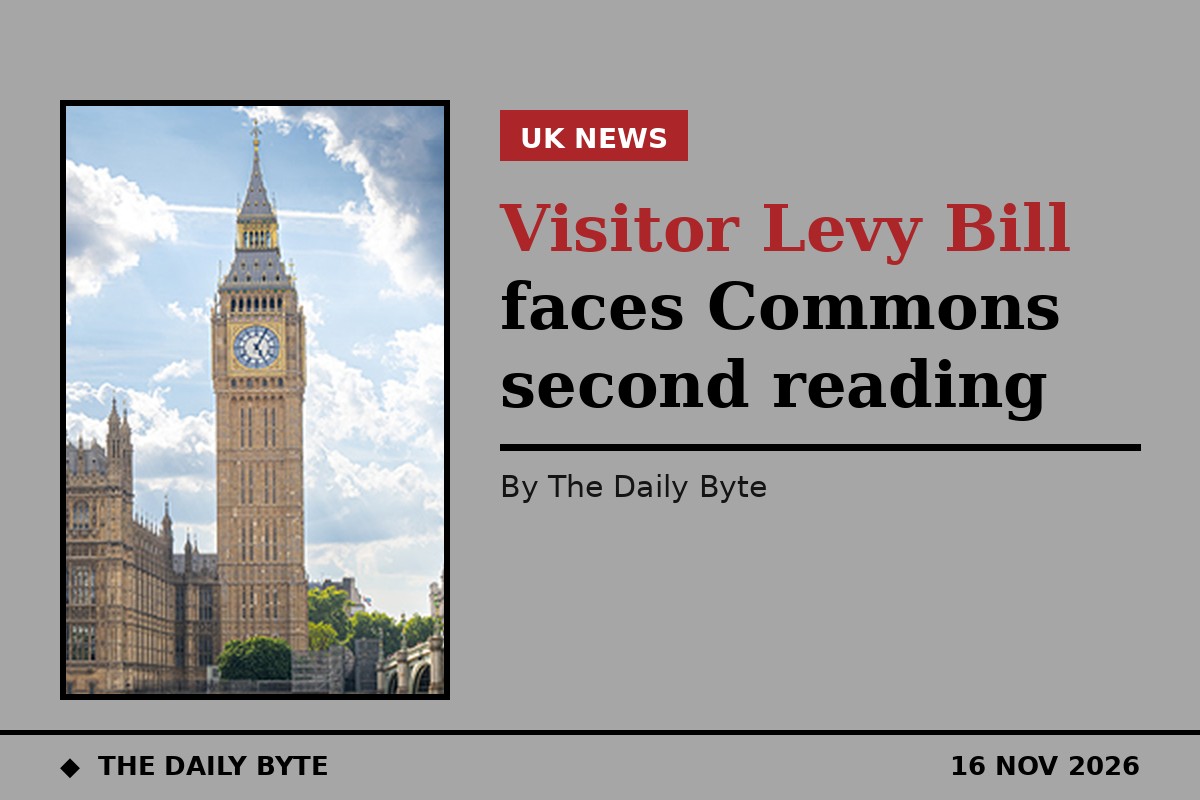
MPs will debate the Visitor Levy (England) Bill at second reading in the House of Commons today, Monday 16 November, in the first full parliamentary test of the government's plan to let mayors in England charge visitors an overnight levy. Two amendments have been tabled that would, if agreed, stop the Bill in its tracks.
The debate is scheduled for 3.30pm, after Education Questions. At second reading, MPs decide whether to approve a Bill's general principles; they cannot change its individual clauses at this stage, but they can amend the motion granting second reading to explain why the House should refuse to let it proceed.
What the Bill would do
The Bill would give mayors of strategic authorities, including the Mayor of London, and foundation strategic authorities the power to introduce a levy on commercially let overnight accommodation. It would be charged as a percentage of the cost of the stay, for the first 28 consecutive nights, and the money raised would stay in the local area.
The government has indicated that any levy introduced would be capped at 5 per cent, and ten mayors have committed that a levy in their areas would be no higher than that. Before introducing a levy, a local authority would have to publish a draft plan and an impact assessment and consult local people and businesses. National exemptions would apply to student accommodation, care homes, children's homes and school boarding houses.
The Bill as published also treats deliberate evasion seriously: fraudulent evasion of the levy could carry a maximum sentence of 14 years in prison on conviction. The Bill extends to England and Wales but has effect in England only, because strategic authorities exist only in England. There is currently no power for local authorities or the government to establish a visitor levy anywhere in England.
The amendments that could stop it
Liberal Democrat and Reform UK MPs have tabled separate reasoned amendments setting out why the House should decline to give the Bill a second reading. Both object to the absence of a cap on the levy in the Bill itself, and warn about pressure on the visitor economy, but their emphasis differs.
The Liberal Democrats support devolving greater economic powers, but argue that the Bill provides insufficient local control, flexibility and safeguards. Reform UK focuses on costs to holidaymakers and potential job losses, citing industry warnings that a 5 per cent levy could add around £100 to a two-week holiday for a family of four.
The Speaker decides which amendment, if any, is selected for debate. Only one reasoned amendment can be selected at second reading, so neither party is guaranteed a vote on its wording. If an amendment is selected and agreed, it would stop the Bill's progress.
Supporters and critics
The government describes the Bill as the most significant step in making fiscal devolution a reality, and says revenue could be invested in high streets, public spaces, cultural events, security and destination promotion. A visitor levy already came into force in Scotland in July this year.
The hospitality trade body UKHospitality has criticised the plans, saying the Bill gives mayors uncapped powers and imposes no legal requirement for revenue to be reinvested in hospitality or tourism. It cited independent Oxford Economics analysis finding that a 5 per cent levy would cost 33,000 jobs, increase taxation on holidaymakers by £1.6 billion and reduce Treasury receipts by almost £700 million.
DailyByte reported on the Bill's introduction on 4 November, when it had its first reading in the Commons, a formal step that takes place without debate.
What happens next
Nothing changes for visitors or businesses as a result of today's debate alone. The Bill has not become law, and no single English visitor-levy rate or start date is established by the second-reading debate. If MPs approve its principles, the Bill will move to committee stage, where its clauses can be examined and amended in detail.