Whitbread shareholders vote on Corvex board seat
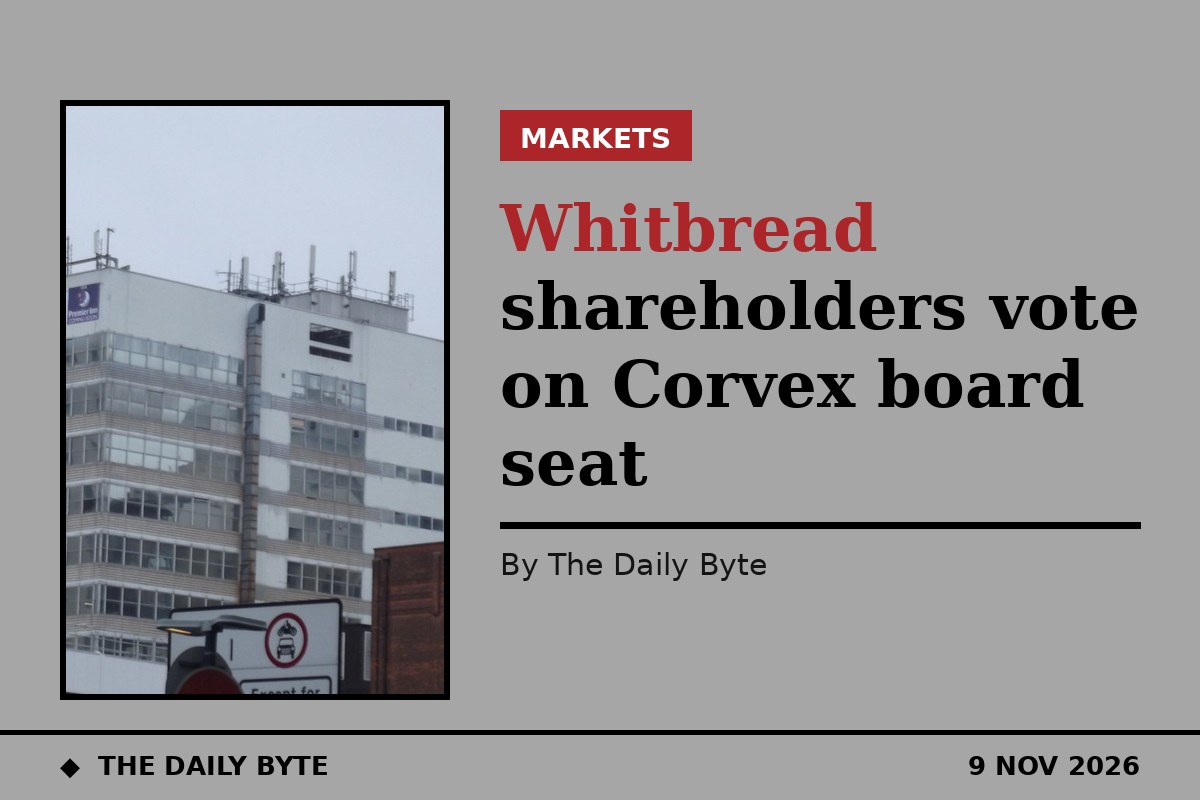
Shareholders in Whitbread vote today on whether to hand activist investor Corvex Management a seat on the board of the Premier Inn owner, in the culmination of a months-long confrontation over the FTSE 100 group's strategy and its large property estate.
The general meeting, requisitioned by Corvex, is being held at Whitbread Court in Dunstable, Bedfordshire, at 1pm on Monday 9 November. The single resolution on the agenda is the election of James Gemmel, a partner at the US hedge fund, as a director. Whitbread's board unanimously recommends that shareholders vote against it.
Corvex is Whitbread's largest active shareholder, with about 6.4% of the company's ordinary shares and an economic interest of approximately 7%. The fund, founded by Keith Meister, a former associate of activist investor Carl Icahn, has been pressing for change since disclosing its investment, arguing that Whitbread's share price has underperformed over one, three, five and ten years at a considerable cost to shareholders.
What Corvex wants
Corvex says that after a decade of underperformance, adding one director is a proportionate step. It is not asking for a restructuring of the board, the removal of any board member, or control of the company. Its case is that the board, which collectively holds about 0.04% of Whitbread's shares, would benefit from the perspective of a long-term owner at a time when the company is committing a further £2.5 billion of capital over the next five years.
The fund has moderated its position during the campaign. It previously urged Whitbread to put itself up for sale, but said in September that it was no longer demanding a disposal or seeking control. Instead, it wants Gemmel on the board to challenge the existing strategy and assess alternatives for improving shareholder value, including the future of the group's substantial property portfolio.
Proxy adviser Glass Lewis has recommended that shareholders vote in favour of electing Gemmel, a decision Corvex described as a clear endorsement of the need for shareholder representation on the board.
What the board says
Whitbread's board argues that its five-year plan is the right one and is already delivering. The plan, drawn up after a comprehensive business and strategic review advised by Goldman Sachs, J.P. Morgan Cazenove and Morgan Stanley, aims to reshape the business around higher-margin hotels, sell £1.5 billion of freehold property, and close or convert 197 branded restaurant sites, including Beefeater and Brewers Fayre, in a restructuring that could affect about 3,800 jobs.
Chief executive Dominic Paul has defended the strategy, arguing that the company has already completed its review and that the priority should be delivering its existing plans rather than reopening strategic questions. In its shareholder materials, the board said appointing a director with a different agenda risked compromising execution, reopening work already completed, and creating significant distraction at a critical stage of delivery.
The latest trading figures give both sides material to argue with. Interim results showed adjusted pre-tax profit falling 9% to £286.8 million, despite revenue growth of 2%, as higher employment costs and business rates squeezed margins. Trading demand has nevertheless remained resilient: in the five weeks to 1 October, UK accommodation sales rose 4.5% year on year, while sales in Germany increased 31.2%. The company has maintained its full-year outlook.
What the vote decides
The outcome will determine whether Corvex gains direct representation in the boardroom, but it will not settle the wider debate over Whitbread's property strategy. The company still needs to show that disposals, restaurant exits and investment in its hotel estate can translate into stronger earnings and sustainable shareholder returns, while Corvex will need to show that a single board seat can change the direction of a plan the board insists is already working.