ADB Ventures Backs Pakistan Fintech Neem in Digital Push
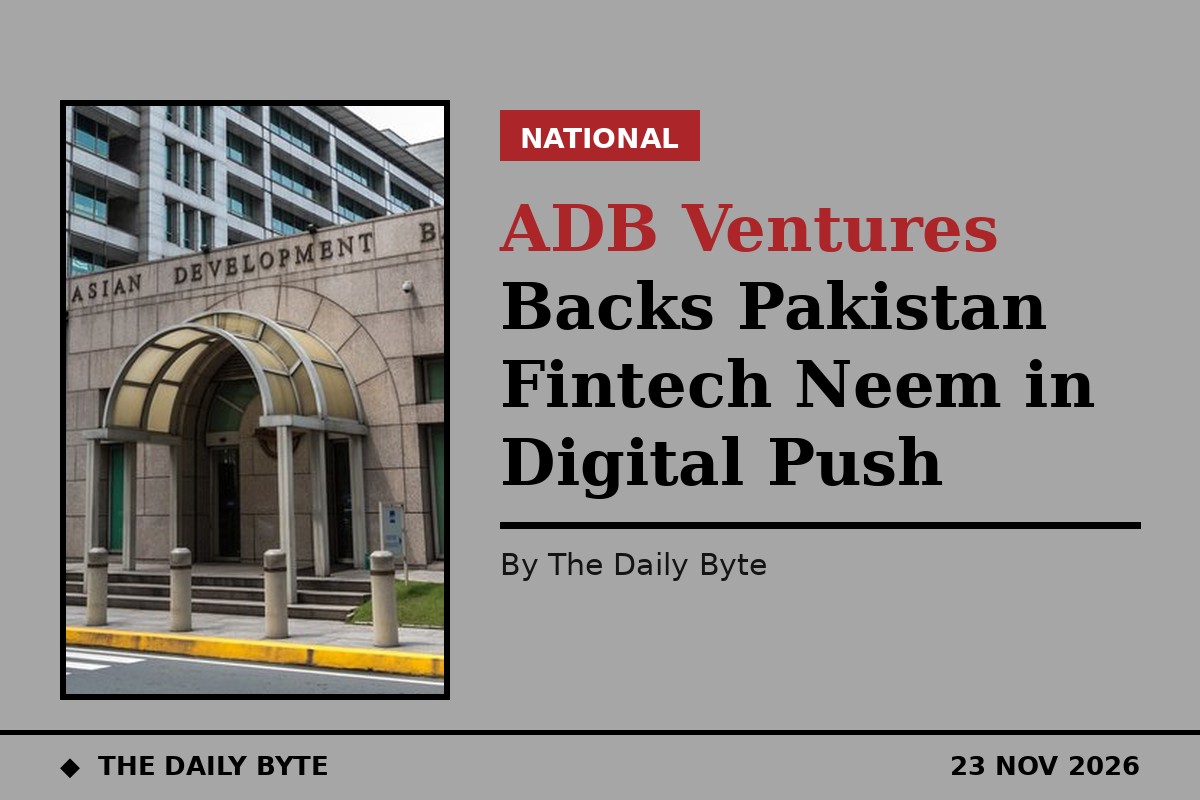
The Asian Development Bank has invested in Neem, a Karachi-based financial technology company that helps Pakistani businesses handle money digitally, in a deal announced on Monday, 23 November 2026. The investment comes through ADB Ventures, the venture capital arm of the Manila-based lender, and neither side has disclosed how much money is involved.
Neem works with businesses rather than individual consumers. Its platform lets companies collect payments, send money out, hold balances and match transactions to their books in one system, replacing the mix of cash, bank transfers and spreadsheets many firms still rely on. The company says the new funding will pay for product development, team expansion and signing up more enterprise and merchant clients across Pakistan.
What Neem does for Pakistani businesses
Neem describes itself as a business-to-business fintech, and its pitch is plumbing rather than glamour: the software sits behind other companies and moves their money for them. It went to market in January 2025 and now says it serves more than 70 enterprise clients across logistics, utilities, insurance, manufacturing and retail. That client figure comes from the company itself and has not been independently verified.
The company was founded by Vladimira Briestenska, Nadeem Shaikh and Naeem Zamindar, and it presents itself as a licensed, regulated platform connected to the banks and payment rails businesses already use. Alongside its payments infrastructure, Neem offers earned wage access, which lets workers draw part of their pay before payday, and it plans to grow into lending for underserved workers and small merchants.
Seed round or Pre-Series A? Reports differ
Reports of the deal describe its stage differently, and the difference matters for anyone tracking the company. Dawn and TechJuice describe the ADB Ventures money as a seed investment. DealStreetAsia and Business Recorder, meanwhile, describe it as part of Neem's Pre-Series A round, which the company says is about 80 per cent funded. The amount is undisclosed in every version of the story, so the round's size and Neem's valuation remain unknown.
Other investors named in the Pre-Series A round include DNI Group, HI2 Global, AKD Securities, Epic Angels and the Pakistan Startup Fund, alongside angel investors from PayNet, Aspire and Stripe. DealStreetAsia reports that Neem previously raised $3.6 million in an earlier seed round, a figure that has not been confirmed by the company in the latest announcements.
Why the ADB is backing a payments startup
Emma Fan, the ADB's country director for Pakistan, said the bank sees Neem helping firms move away from cash and scattered systems. "Pakistan is laying a strong foundation for digital payments, and the next step is ensuring that businesses of all sizes can fully benefit from this progress," she said. ADB Ventures invests in early-stage technology companies across Asia and the Pacific, with a focus on financial technology, agricultural technology, climate resilience and inclusive growth.
The scale of the problem is easy to measure. The State Bank of Pakistan estimates that about 71 per cent of retail transaction value in the country is still settled in cash, according to Dawn. That leaves a large share of everyday commerce outside the digital system, and it is the gap Neem and its backers are betting on: if businesses can collect and pay digitally, their suppliers, staff and customers follow.
What happens next for Neem
The company says it will use the funding to deepen its payments platform and expand its lending plans, including a broader financial wellness offering for underserved and blue-collar workers and financing for merchants. It also plans licensing work over the next 12 to 18 months, according to trade coverage of the deal.
For Pakistan's startup sector, the deal is a small but visible vote of confidence from a multilateral lender at a time when funding for young companies has been tight. The test now is execution: turning an undisclosed cheque into more enterprise clients, steadier revenue and products that reach the small businesses that still run on cash. TechJuice first reported the investment in detail, and Dawn also covered the announcement on 23 November.