Cancer plan to face annual report to Parliament
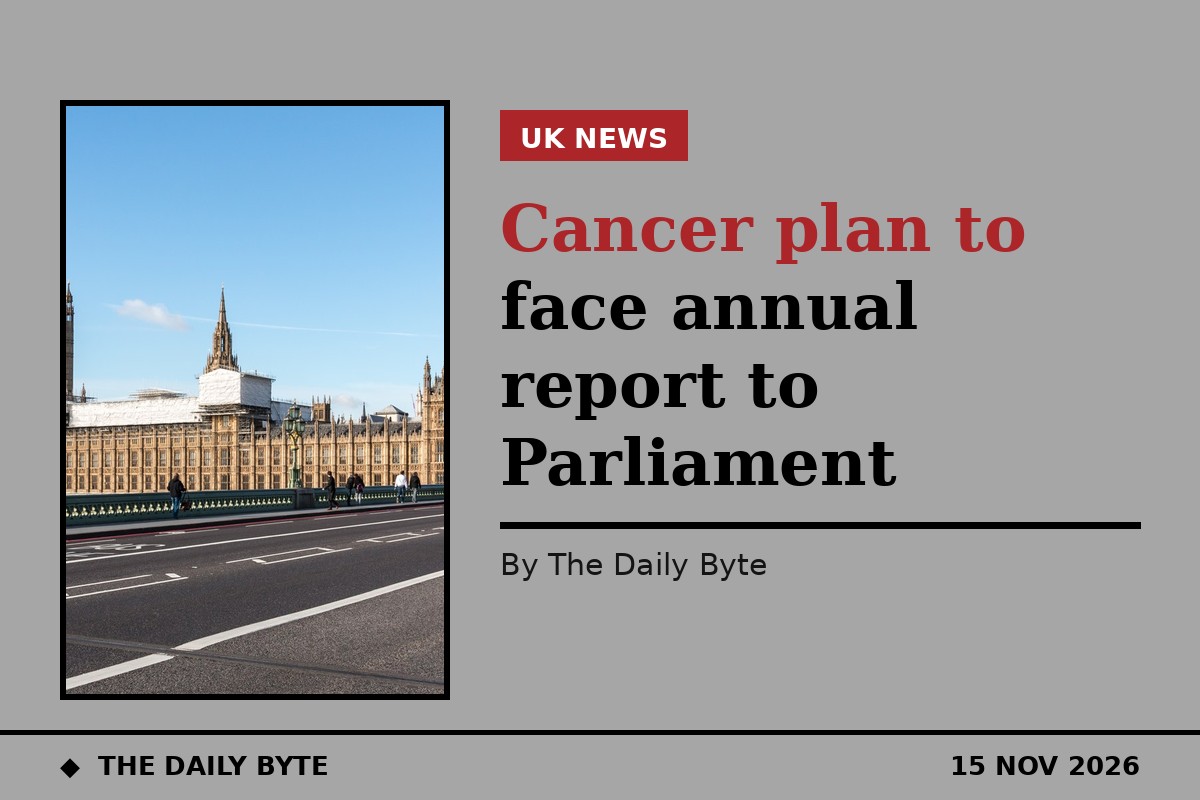
The government will report to Parliament every year on progress against the national cancer plan, with the first annual progress report due in February 2027, social care and mental health minister Alison McGovern has confirmed.
The first report will be laid before Parliament and accompanied by an oral statement in the Commons from the Health Secretary. A fuller assessment of the plan will follow after three years, and the government intends to report against each of the plan’s targets annually.
The commitment was given during the second reading debate on the Cancer (Reporting and Strategy) Bill in the House of Commons on Friday 13 November, and was reported by LabourHome on 15 November.
What the Bill asked for
The Bill, debated at second reading on 13 November, would require the government to publish an annual report to Parliament on progress in preventing, diagnosing and treating cancer, and to publish and maintain the strategy for improving cancer outcomes.
Introducing the Bill, the MP behind it told the Commons that the national cancer plan “contains important ambitions and commitments” but that there was currently “no clear commitment to publish a dedicated annual report to Parliament, no formal assessment of progress against every commitment within the plan, and no requirement to explain what action will be taken when progress falls behind schedule”, according to Hansard.
The Bill is supported by 64 cancer charities. In a letter to the Secretary of State, the charities described it as “practical, proportionate and uncontroversial”, saying it “creates no new rights or entitlements but instead provides a clear means for reporting progress and maintaining focus on delivery”.
McGovern said the reporting arrangements reflect proposals from Macmillan Cancer Support and Cancer52, as well as discussions through the National Cancer Board.
Why scrutiny matters now
More than 403,000 people are diagnosed with cancer each year in the UK — around 1,100 every day, or one person every 80 seconds — according to figures cited in the Commons debate.
Analysis by Cancer Research UK, also cited in the debate, estimates that almost 47,000 additional patients would need to start treatment within 62 days of an urgent referral in order for the government to meet its commitment that 85% of patients begin treatment within 62 days by March 2029.
Separate figures reported this week showed that in September, 70.7% of patients in England began treatment within 62 days of an urgent referral, down from 71.9% in August, against an interim target of 80% by March 2027. Analysis for the Guardian by Radiotherapy UK put the shortfall at about 2,850 additional patients needing to start treatment on time each month.
The MP behind the Bill told MPs: “What gets measured gets managed, what gets reported gets discussed and what gets discussed is more likely to improve.”
Help for children with cancer
During the debate, McGovern also confirmed that a travel fund worth up to £10 million a year will help families meet the costs of taking children with cancer to treatment.
The government also plans to appoint a national brain tumour lead in the coming months. The national cancer plan, published in February 2026, is the first cancer plan to contain a dedicated chapter on children and young people’s cancer, and the debate heard that teenagers and young adults are too often hidden within broader datasets.
Supporters of the Bill argue that annual reporting will stop commitments from quietly disappearing when ministers change. The debate noted that there have been seven prime ministers and nine health secretaries since 2015, and that an earlier proposed 10-year cancer plan was abandoned less than a year after it was announced.
Whether the Bill itself becomes law remains a matter for Parliament. What the government has now committed to is the substance of its reporting demands: a yearly public account of whether the cancer plan is being delivered, target by target.


