Healey denies pre-election benefits bill fall claim
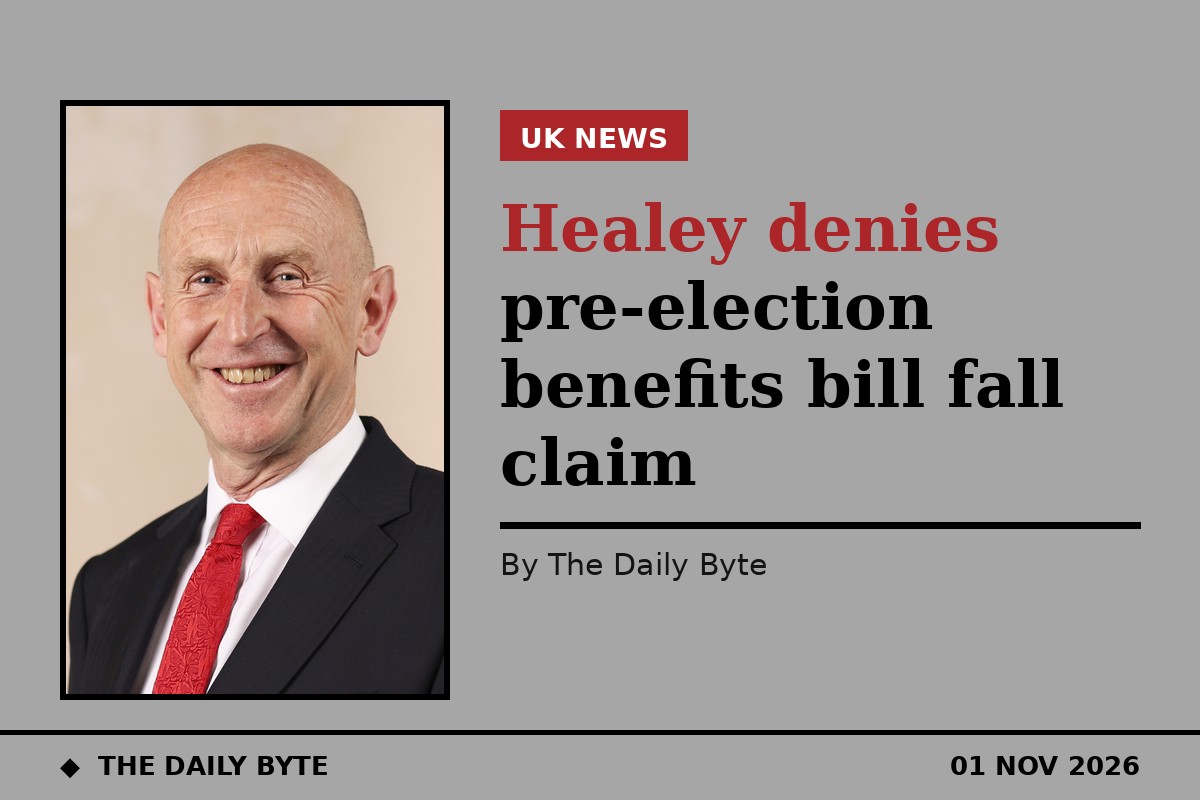
Chancellor John Healey has said the overall benefits bill will come down under Labour, with reform work starting next year. He made the commitment on the BBC on Sunday 1 November 2026, but declined to give a timetable for when savings would be realised.
What Healey promised on Sunday
Healey said the government had already slowed the rate of increase in welfare spending since the election, while arguing that the current system was not working and needed major change. He rejected reports that he had promised the bill would start falling before the next general election, saying that interpretation was wrong and that no timetable for savings had been set. He also warned that further hard decisions on public spending lay ahead.
Reviews due before a White Paper
Two reviews due this month are expected to shape the next stage. One, led by Sir Stephen Timms, covers Personal Independence Payment, while another, led by former health secretary Alan Milburn, looks at young people and work. Healey said a government White Paper and legislation would follow next year, alongside a ten-year plan and a spending review. The Office for Budget Responsibility has warned that sickness and disability benefits could cost about £100 billion a year before the end of the decade, according to PA reporting.
Opposition criticism and Treasury response
Conservative leader Kemi Badenoch has claimed Labour faces a £49 billion gap in its plans, a figure the Treasury has dismissed as fiction. The wider fiscal backdrop remains difficult: The Times reports the OBR expects total welfare spending to rise from £333.8 billion last year to £431.3 billion by 2030-31. Healey also signalled that a manifesto promise to equalise minimum-wage age bands for younger workers may take longer than planned, saying the question was when and how fast, not whether.