NHS A&E 'on its knees' ahead of winter, doctors warn
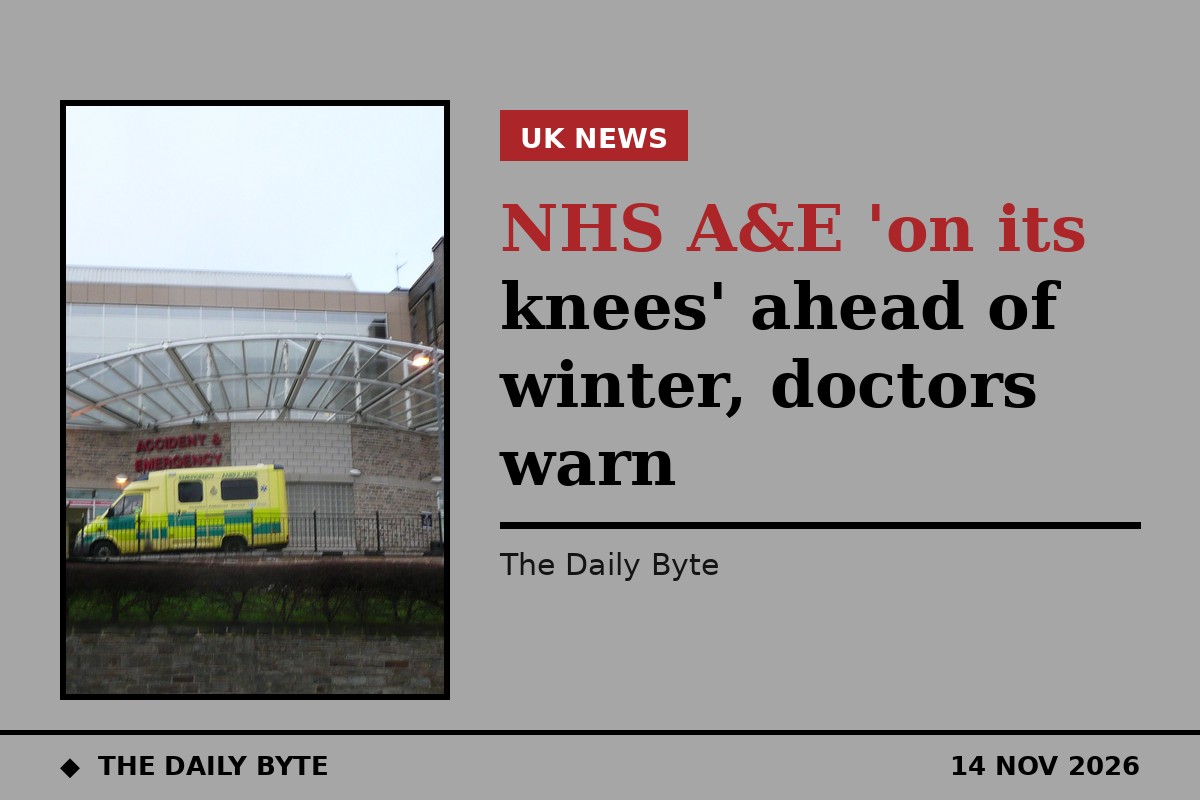
Emergency departments across England are heading into winter already in trouble, with fewer beds than last year, record demand and patients being treated in corridors, chairs and storerooms. That was the warning from the president of the Royal College of Emergency Medicine, Dr Ian Higginson, in evidence to the House of Commons Health and Social Care Committee on Wednesday 11 November 2026.
“We are going into winter with our departments in big trouble already, and many on their knees,” Dr Higginson told MPs, as the committee examined how the NHS is preparing for winter demand. He urged the government to take immediate action, including reopening available hospital beds and ending recruitment freezes that stop departments hiring doctors and nurses.
Corridor care on a large scale
A snapshot survey by the Royal College of Emergency Medicine, carried out at the start of November across 106 hospitals in all four nations of the UK, found that around one in five patients in emergency departments, 19.5 per cent, were experiencing corridor care at the moment they were counted. At least one patient was being cared for in an inappropriate space in the vast majority of hospitals surveyed, 88.7 per cent.
Corridor care means patients treated in ambulances, corridors, chairs in waiting rooms, converted storerooms, offices or cupboards, rather than in a proper clinical space. Patients in mental health crisis were more likely to be affected, with more than a quarter, 27.6 per cent, receiving care in inappropriate spaces, while around one in 30 children in A&E, 3.5 per cent, were also affected.
The figures sit alongside Healthwatch data showing more than 280,000 cases of corridor care in England this summer, around 2,300 a day in A&E in July. NHS England only began counting corridor care in March, and Dr Higginson told MPs the definition was too narrow because it leaves out patients waiting on chairs.
Dr Higginson told the committee that about 16,000 patients in England are dying in excess of the number expected, linked to long waits in emergency departments. He said hospitals were going into winter with approximately 1,000 fewer beds than during the previous winter, leaving departments with limited capacity to admit patients who need a ward bed.
Record demand before winter
The warning comes after emergency departments recorded their busiest September on record, with 2.44 million attendances across England, according to NHS data published in October. Attendances between June and August reached more than 7.2 million, the highest total for that period, while ambulance call-outs also rose.
The latest monthly figures underline the strain. More than one in ten patients attending A&E last month waited longer than 12 hours before being admitted, transferred or discharged. In total, 157,574 patients experienced waits of more than half a day, representing 10.1 per cent of all attendances and the highest proportion recorded in four years.
Last month an average of 13,647 beds were occupied by patients medically fit to leave but still in hospital because of discharge delays, often linked to a lack of community and social care support. The Royal College of Emergency Medicine says lengthy emergency waits are mainly caused by a shortage of inpatient beds and difficulties discharging patients, not by people attending with minor conditions.
A poll of senior A&E doctors cited by Dr Higginson found around two-thirds considered their departments fairly or very unsafe, while almost nine in ten reported greater pressure than a year earlier.
What doctors want now
The college is calling for immediate measures to reduce overcrowding, including opening up all available beds now in hospitals with overcrowded emergency departments, and ensuring that services needed to avoid admission or free up beds are open for longer hours, seven days a week, including over the Christmas period.
Dr Higginson described corridor care as awful, undignified and dangerous, and a stain on the health service. He warned that most clinical leads think things are worse than this time last year and have low confidence going into winter.
The government's response
Health Minister Karin Smyth defended the government's preparations at the committee hearing, saying planning for winter had begun in May and that measures were already in place to address pressure across the health service. The government has promised to end corridor care in England by the end of this Parliament.
On 9 November the government announced £40 million in extra funding for GP practices to give proactive care to vulnerable patients this winter, identifying those at greater risk before their conditions deteriorate. The college welcomed investment but has cautioned that money must be spent in the right places, with beds, staffing and discharge capacity at the top of the list.
With flu, respiratory syncytial virus and norovirus expected to add to hospital workloads, doctors say the numbers already point to a difficult season ahead.


