NHS Neighbourhood Support Teams to keep 1.8m vulnerable patients out of hospital
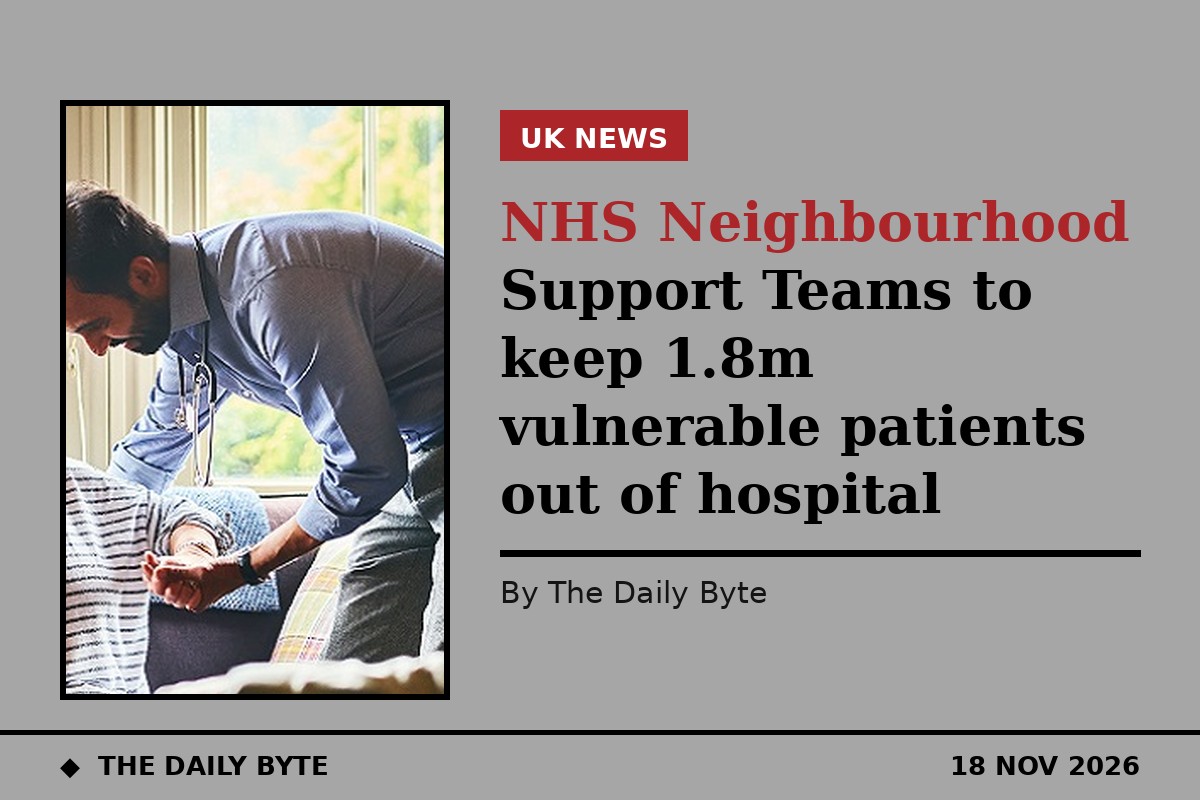
Nearly two million of England's most frail and vulnerable patients will receive dedicated, personalised care from new Neighbourhood Support Teams designed to keep them out of hospital, Health and Social Care Secretary Yvette Cooper announced on Wednesday 18 November 2026.
Announcing the plans at the King's Fund annual conference, Cooper described the move as a down payment on a National Care Service. At least one per cent of the population in England, more than half a million people, will receive dedicated support under the plans by April 2027, expanding over subsequent years to reach around 1.8 million people at greatest risk.
Who the teams will support
The NHS will be required to proactively identify the most vulnerable people in their communities, including frail older people, people living with dementia, those in care homes and people approaching the end of life. The teams will then work together to help each individual avoid the need to go to hospital.
According to the Department of Health and Social Care, around three to five per cent of the population currently account for approximately 70 per cent of emergency bed days. The department estimates that earlier support for these individuals could cut around 4.3 million bed days and generate net savings of more than £1 billion to the NHS each year.
What each person will receive
Each person enrolled will have a dedicated Neighbourhood Support Team working with their existing GP, which knows them, understands their history and takes responsibility for coordinating their care. They will also have one tailored care plan covering their medicines, ongoing treatment, therapy and support at home, regular reviews and, where appropriate, remote monitoring to identify problems early.
In time, patients and their families will have a single number they can call at any hour, and a coordinated response if a crisis occurs, including support to return home promptly and safely after hospital treatment.
The teams will be multidisciplinary, bringing together GPs, community health services, mental health services, social care and voluntary organisations in every neighbourhood in England. They will sit at the heart of the government's upcoming strategy for Urgent, Emergency and Planned Care.
How the teams will be funded
The Neighbourhood Support Teams will be funded by using existing NHS budgets differently, investing in earlier support close to home rather than waiting until people need hospital care. Local NHS leaders will prioritise existing funding to establish the service, and savings from fewer avoidable admissions and shorter stays will be reinvested in community care. Integrated Care Boards will remain accountable for commissioning effective community support, aligned with local social care arrangements.
Primary Care Networks have already begun identifying people at greatest risk and putting up-to-date care plans in place. Last week the government announced that up to 300,000 people will receive more proactive support from their GP this winter through a new £40 million programme.
Reaction to the announcement
Cooper said that by the end of the decade, people with the greatest health and care needs should no longer have to fight their way through the system to get support, calling the change fundamental: from having to navigate fragmented services themselves to having a team that knows them, looks out for them and takes responsibility for their care.
Dr Emma Rowland, NHS executive director for performance and delivery, said the NHS wanted to be there for the most vulnerable patients and their families around the clock, offering the support they need to avoid unnecessary and stressful trips to A&E and stays in hospital.
Dr Deb Gompertz, vice president for policy at the British Geriatrics Society, welcomed the initiative, saying that reducing avoidable hospital admissions and long hospital stays by providing timely, high-quality support closer to home was an excellent step in the right direction. Ruth Rankine, director of primary care, community and neighbourhood health at the NHS Alliance, said the teams were an important step towards more personalised care closer to home, while warning that success would depend on empowering local NHS teams to identify those most in need.
Pulse Today, reporting from the King's Fund event, confirms the announcement, the April 2027 enrolment target of at least one per cent of the local population, and that funding will come from using existing NHS budgets differently.
Frequently asked questions
When will Neighbourhood Support Teams start? Providers will be asked to enrol at least one per cent of their local population by April 2027, with coverage expanding over subsequent years towards around 1.8 million people.
Who qualifies for the new support? The NHS will proactively identify the most vulnerable people, including frail older people, people living with dementia, care home residents and people approaching the end of life.
Is this part of the National Care Service? The government describes the teams as a down payment on the National Care Service it has pledged to introduce, following Baroness Louise Casey's commission into reform of adult social care.


