Nottingham NHS triples robotic surgery in a day
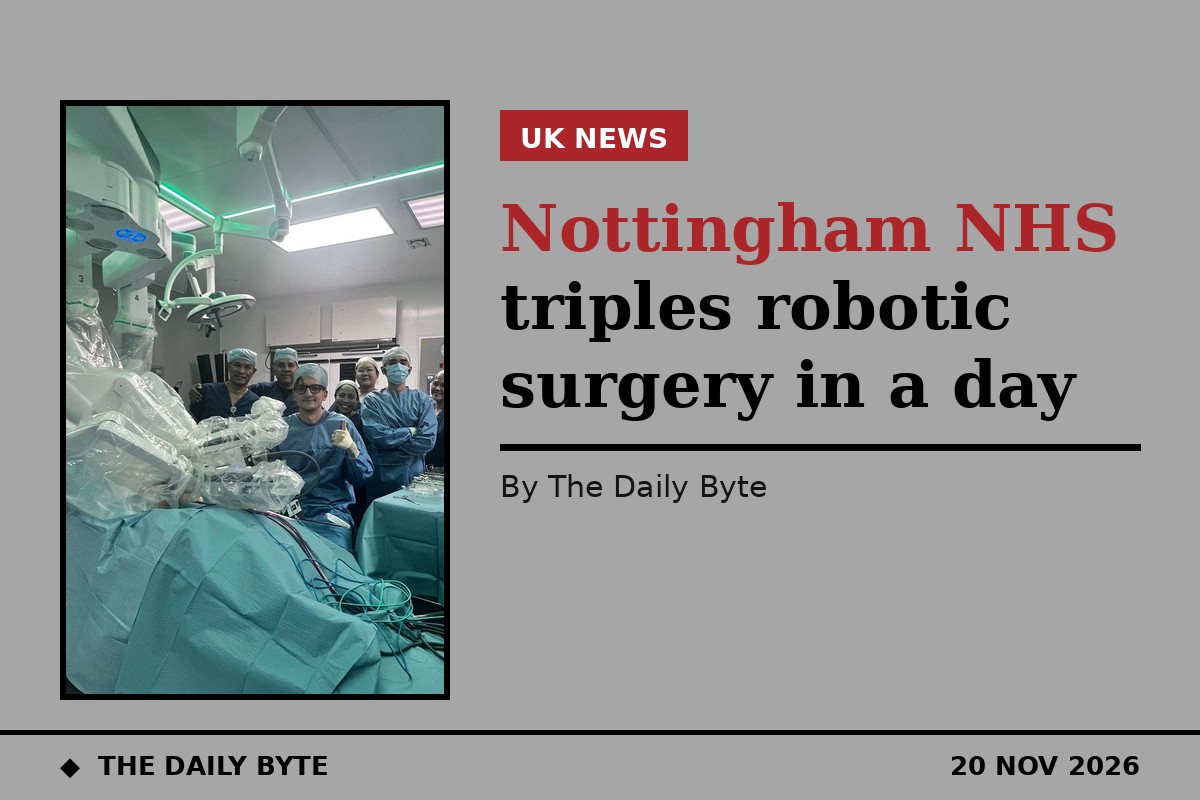
Nottingham University Hospitals NHS Trust is using high-intensity theatre lists to cut the backlog for routine surgery, trebling the number of patients treated in a single session. Its gynaecology surgical robotic programme at City Hospital carried out six robotic-assisted hysterectomies on one Saturday list, three times the number of patients on a regular surgical list, and all six patients were discharged the next day.
The lists, known as HIT lists, focus on one type of procedure at a time and take place at weekends. Staff plan them in detail, selecting suitable patients in advance so that the theatre team can work through cases with minimal gaps between operations. The trust says the approach is an efficient but safe way to maximise the number of patients treated in one day.
How the high-intensity lists work
The gynaecology HIT list increases the number of anaesthetic, surgical and theatre staff on duty to cut the turnaround time between cases, freeing more time for the surgeon to operate. Two surgeons work as a pair, allowing more cases to be done in the same time and giving cover if any issues arise. Several multidisciplinary meetings, involving managers, administration staff, therapists, nurses, pharmacists, anaesthetists and surgeons, are held beforehand to choose suitable cases, patients and team members and to plan the equipment and the order of the lists.
The list has been led by Mr Ketankumar Gajjar, consultant gynaecologist and robotic surgeon. He said the team had looked at every aspect of the patient's pathway in detail to see where efficiency could safely be improved and time saved. He added that it requires a dedicated multidisciplinary team and lots of preparation, which he described as the key to the programme's success.
From the patient's point of view, he said, they are just having the procedure and do not notice the work behind the scenes, and it is good to see even more patients treated and their stay in hospital and recovery time reduced. The trust hopes to increase HIT list capacity further and run two theatres at the same time.
Why robotic surgery helps
As well as a shorter operating time, using a surgical robot gives surgeons better precision and accuracy during procedures. Compared with standard keyhole or open surgery, robotic-assisted surgery is less invasive and offers patients a shorter recovery time, which in turn frees up hospital beds sooner.
The work sits within a wider push at the trust to protect planned care this winter. Nottingham hospitals have committed to maximising theatre capacity, including HIT lists and dual operating theatres, so that seasonal pressures such as flu do not eat into waiting times for routine operations.
The pressure the lists are tackling is clearest in gynaecology. The Royal College of Obstetricians and Gynaecologists says the gynaecology waiting list in England stood at 585,378 in August 2026, with under 60 percent of patients seen within the government's 18-week standard. The college has welcomed the £100 million for robotic-assisted surgery announced in the Autumn Budget, and is calling for part of that investment to be ring-fenced for gynaecology, where it says robotics can improve care for women and help tackle long waiting lists.


