OBR warns 215,000 jobs lost by 2030 in tax freeze
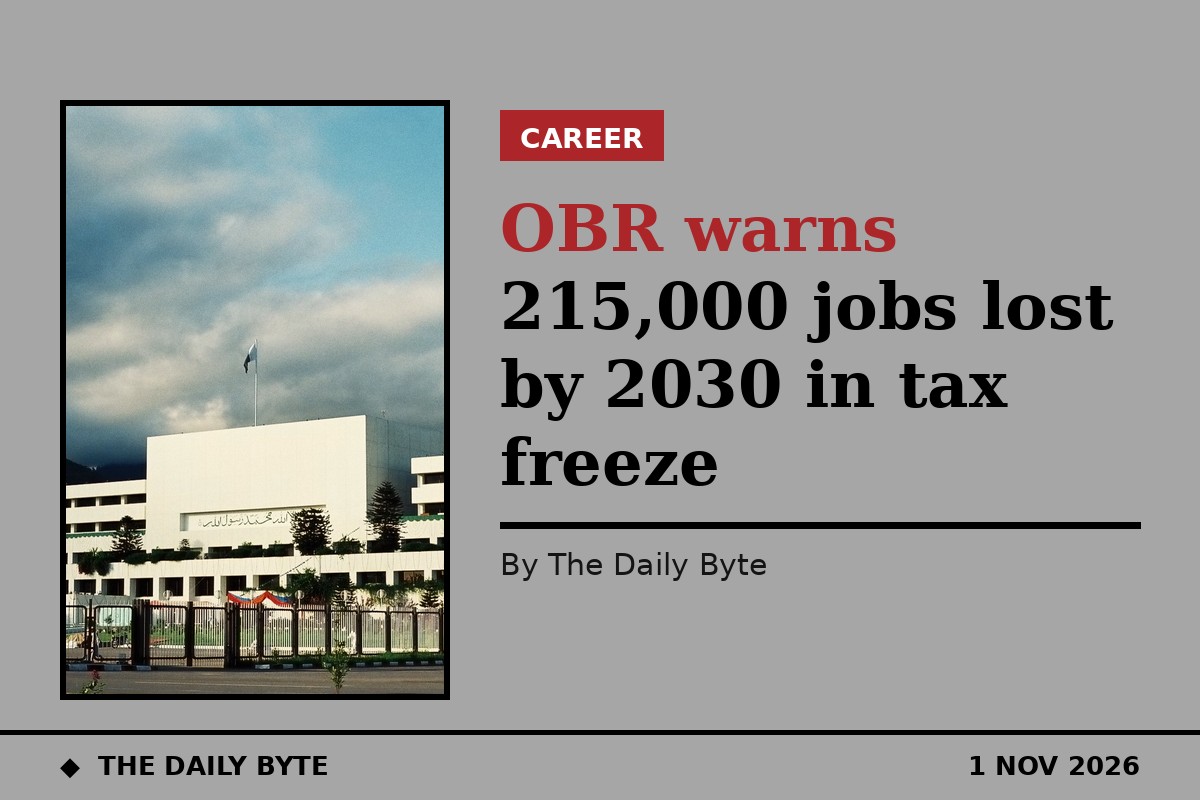
Britain is on course to lose 215,000 jobs by 2030 because of the freeze on income tax and National Insurance thresholds, the Office for Budget Responsibility has warned. Chancellor John Healey froze the thresholds in the Budget, continuing freezes first introduced five years ago, so that pay rises push more earnings into tax or into higher tax bands even though the headline rates have not changed.
The watchdog warns the policy is likely to have an adverse effect on financial work incentives by increasing the marginal tax rate on each additional hour of work. In plain terms, when thresholds do not move with pay, a worker keeps less of each extra pound earned, and the fiscal watchdog judges that this discourages some additional work and hiring across the economy over time. The 215,000 figure is the watchdog's estimate of jobs lost by 2030 as a result of that effect.
The political reaction
Shadow Business Secretary Julia Lopez said Labour was taxing people into unemployment, arguing that the Government has made it more expensive to work and more expensive to employ people. The criticism goes to the heart of the fiscal drag argument: a threshold freeze raises revenue quietly, year after year, without a vote on a higher tax rate, but it also changes the reward for working extra hours.
The warning lands as households and employers weigh the wider Budget package. The watchdog's estimate is a forecast, not a count of jobs already lost, and it depends on how pay, prices and hiring respond in the years ahead. What is not in dispute is the mechanism: frozen thresholds mean that as nominal pay rises, a larger share of earnings is taxed, and the OBR judges that this will cost jobs by the end of the decade.