Pakistan approves 30-member electoral reforms panel
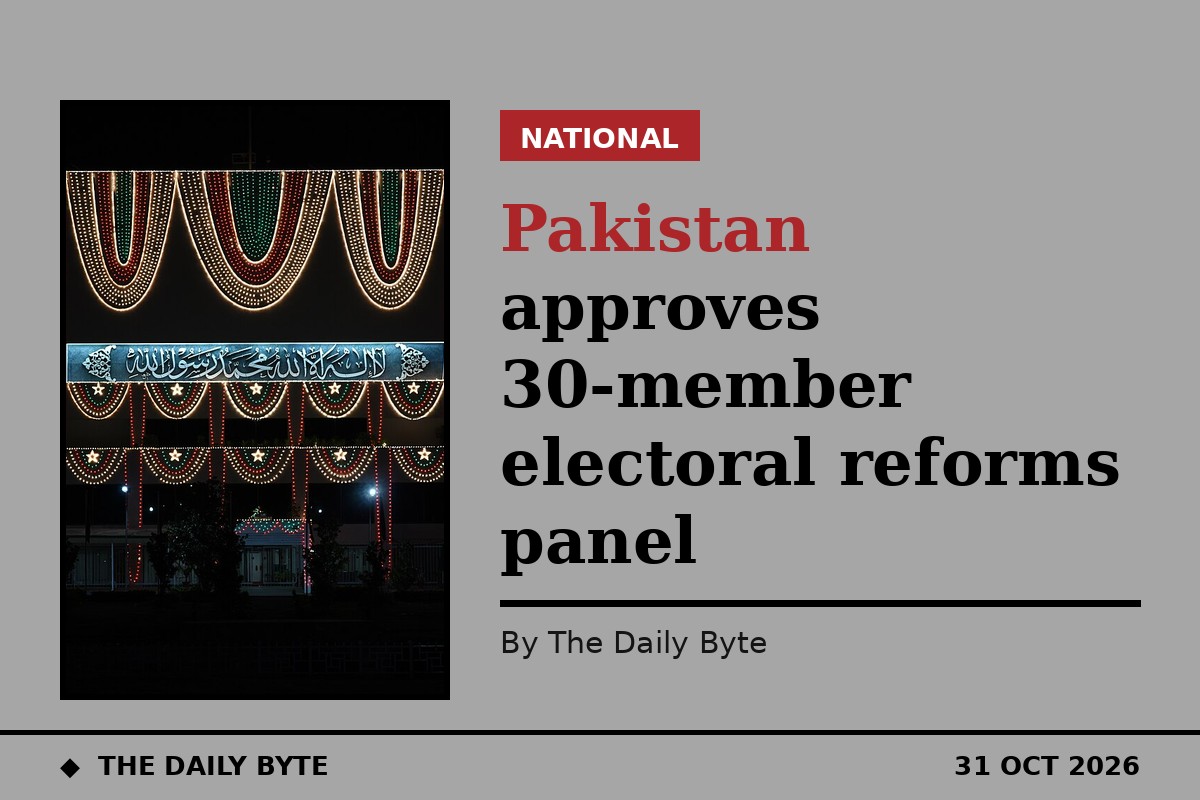
Pakistan's National Assembly has approved the formation of a 30-member parliamentary committee to work on electoral reforms, Federal Minister for Parliamentary Affairs Tariq Fazal Chaudhry confirmed on Friday, 30 October. The Speaker has not yet issued the formal notification, and the process of finalising members' names is still under way, so the panel cannot yet begin its work in any formal sense.
How the committee would be made up
The proposed committee would draw 20 members from the National Assembly and 10 from the Senate, with seats shared among parties in proportion to their strength in the two houses. Within the National Assembly contingent, the minister outlined 15 government members and five from the opposition. The Pakistan Peoples Party is expected to chair the panel under earlier reporting of the government's plan, although the chairmanship was not confirmed in the minister's latest statement.
Opposition signals openness, with conditions
A Pakistan Peoples Party delegation met opposition leaders at Parliament House in Islamabad on 30 October, on the instructions of party chairman Bilawal Bhutto-Zardari, and invited them to join the committee. National Assembly Opposition Leader Mahmood Khan Achakzai and Senate Opposition Leader Allama Raja Nasir Abbas signalled willingness to take part, but asked for time to consult the Pakistan Tehreek-e-Insaf leadership before giving a formal answer.
What the committee is expected to examine
According to sources cited in reporting of the talks, the committee is expected to look at alleged rigging in the 2024 general elections, later by-elections, and elections in Gilgit-Baltistan and Azad Jammu and Kashmir. It would also seek to identify those responsible for electoral irregularities and recommend measures to prevent them recurring, with its recommendations then put before parliament for approval. Pakistan Tehreek-e-Insaf chairman Barrister Gohar Ali Khan has separately demanded equal representation for government and opposition, arguing that any reforms must be impartial and reflect public aspirations. Until the Speaker's notification names the members and sets the terms, however, the committee remains an approved framework rather than a working body — and its credibility will depend heavily on whether the opposition ultimately takes its seats.
Sources: The News; KhabarWire.