Pakistan LPG Price Reform: Deregulation Plan Explained
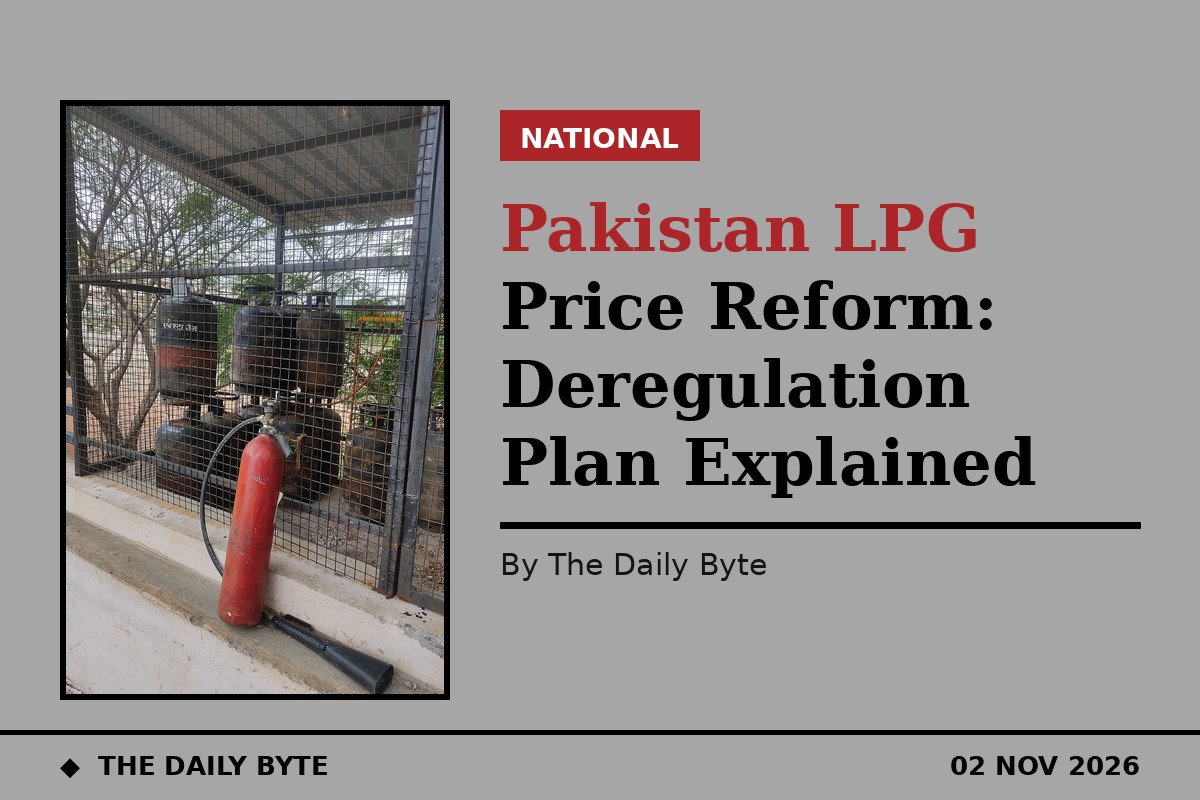
Pakistan has proposed a major change to how cooking-gas prices are set, moving away from monthly price notifications by the regulator towards a system based on the actual cost of imports. The Petroleum Division has put the plan to the federal cabinet, according to official documents reviewed by The News, with the change proposed to take effect from 1 November 2026 if approved.
Under the proposal, the Oil and Gas Regulatory Authority (OGRA) would stop issuing monthly LPG price notifications for locally produced and imported gas. State-owned enterprises, including Pakistan State Oil and SSGC LPG Limited, would instead publish their actual monthly landed import costs, which would form the benchmark for domestic prices.
Why the government says change is needed
It is based on the Saudi Aramco contract price plus a fixed margin of Rs35,000 per metric ton, a margin that has not kept pace with freight, insurance, port handling and other import expenses.
Figures cited in the cabinet summary show the gap in practice. During January to July 2026, filling-plant prices were on average Rs60 to Rs79 per kilogram above the OGRA-notified consumer price, reaching Rs158 per kilogram in March.
What would happen to vulnerable households
A central part of the plan is a Producer-Price Differential Fund, to be held in the Public Account and audited by the Auditor General of Pakistan. The difference between the higher import-parity benchmark and the lower price paid to local producers would be deposited into the fund to finance targeted subsidies for households meeting Benazir Income Support Programme criteria or another government-approved poverty test.
The proposal is therefore not yet a final decision: it still requires cabinet approval, and households should not treat the new pricing method as already in force.
Sources
The News: Govt seeks cabinet nod to shift LPG pricing powers to SOEs
Bloom Pakistan: Govt moves to deregulate LPG prices, introduce targeted subsidies