Pakistan revises petrol pricing formula from 2 November
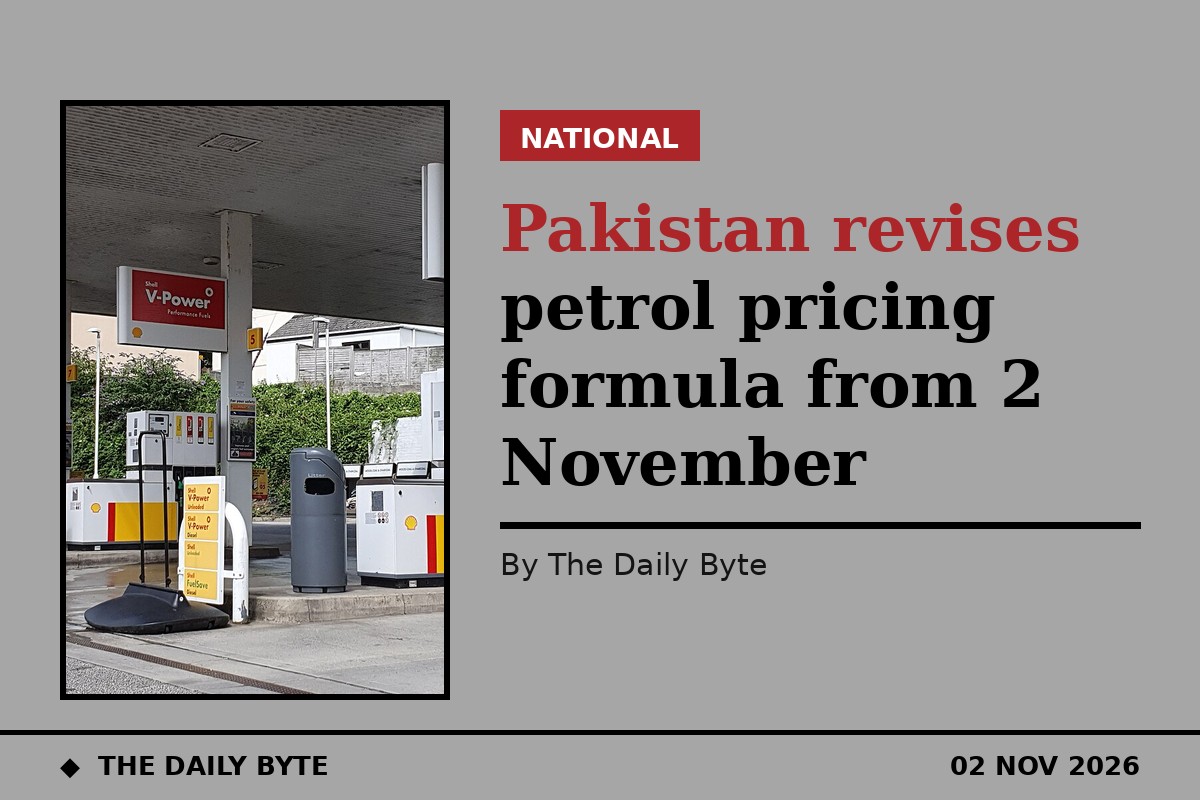
Pakistan has put a revised petrol pricing formula into effect from 2 November 2026, changing how the price of imported and locally refined petrol is worked out at a time of sharp volatility linked to the Iran-US war.
The federal cabinet approved the new mechanism on 30 October, according to Petroleum Division documents cited by Geo News. The change applies specifically to Motor Spirit, commonly known as petrol. Pricing parameters for other petroleum products remain unchanged.
How imported petrol will now be priced
Under the revised formula, the import price of petrol will be based on the actual import cost of the relevant Pakistan State Oil cargo. If that actual cost is not available when the daily price is calculated, the premium, incidental expenses and customs duty from the last available cargo will be used instead. The adjustment replaces averaging arrangements used under the mechanism introduced earlier this year.
A 30-day freeze for local refineries
For local refineries, a temporary arrangement will run for the next 30 days. During that period, the premium, incidentals and customs duty used to calculate the ex-refinery price of petrol will stay fixed at the levels in force on 7 March 2026, before the Iran-US war.
Any difference between the import price and that ex-refinery price must be surrendered by refineries under the petroleum levy head of account. The government has said the resulting benefit should reach motorists only through a corresponding reduction in petrol prices.
The existing petroleum levy of Rs80 per litre will remain unchanged and is separate from the new adjustment. The Petroleum Division has also incorporated a premium differential benefit of $2.950 per barrel per day into petrol pricing to help smooth price movements. The change sits within the daily fuel pricing framework, under which the Oil and Gas Regulatory Authority calculates and publishes ex-depot petroleum prices. Sources: PKRevenue and Islamabad Post.