Pakistan Seeks 800,000 Tonnes of Wheat in New Tender
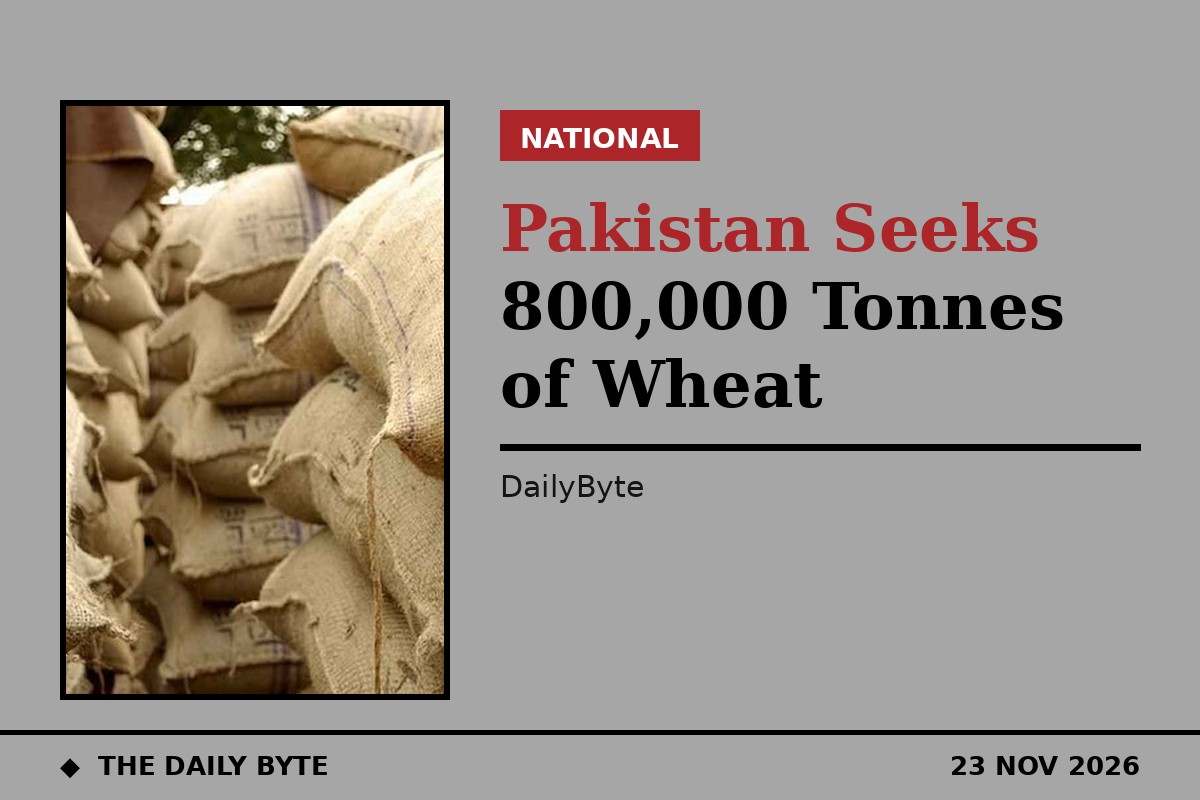
Pakistan has invited international suppliers to bid for up to 800,000 metric tonnes of wheat, opening its third import tender of the year as flour prices climb and provincial stocks come under pressure.
The Trading Corporation of Pakistan (TCP) issued the tender on Monday, 23 November. Sealed technical and financial bids are due by 2pm on 30 November at the corporation's boardroom in the Finance and Trade Centre on Shahrah-e-Faisal in Karachi, with technical bids to be opened at 2:30pm the same day. The grain must come from the 2026 crop and be delivered in bulk, on a cost-and-freight basis, to Karachi or Gwadar.
The terms of the tender
The tender documents set out the quality the government will accept. The wheat must have a maximum moisture content of 14.5 per cent, a minimum protein content of 10 per cent and a minimum wet gluten content of 23 per cent. Suppliers must have at least five years of export experience and must have exported a minimum of 50,000 tonnes of wheat during the past five years.
Wheat from India and Israel is barred under the tender, and the corporation has reserved the right to accept or reject any or all bids, in full or in part, under the Public Procurement Rules 2026. The shipment schedule is split into two phases: 400,000 tonnes to be dispatched between 25 December 2026 and 5 January 2027, and the remaining 400,000 tonnes between 6 and 15 January 2027, with all deliveries to reach Karachi or Gwadar by 15 February 2027. Suppliers face a penalty of 25 US cents per tonne per day for late delivery.
One detail remains unsettled. Reporting of the notice differs on the smallest lot a supplier may offer, with one account putting the minimum at 50,000 tonnes and another at 150,000 tonnes. That threshold will only be confirmed when the corporation publishes its evaluation of the bids.
Why Pakistan is buying again
The tender follows a decision taken on Saturday, 21 November, when a high-level meeting chaired by Deputy Prime Minister and Foreign Minister Ishaq Dar reviewed the availability and price stability of essential food commodities. The meeting assessed the domestic wheat stock position and recommended importing up to 800,000 tonnes to keep stocks sufficient and prices stable. The Press Information Department reported that the committee weighed the option of importing wheat if required to maintain sufficient stocks at reasonable prices.
The pressure behind the decision is visible in the markets. Flour in Hyderabad reached Rs185 a kilogram last week, and a 100-kilogram bag of wheat rose to a record Rs15,200, up Rs800 in three or four days, according to reports of the market. Khyber Pakhtunkhwa has asked the federal government for more grain, and the tender record states that the emergency import was approved at the province's request to bridge the gap between local demand and supply.
Pakistan has already contracted 550,000 tonnes of imported wheat through earlier procurement rounds this year, UkrAgroConsult reported, and the government had already approved imports of up to one million tonnes in 2026 before this latest recommendation. The new tender is therefore an extension of an existing buying programme, not a first step.
What happens next
Once bids close on 30 November, TCP will open the technical bids and evaluate suppliers before opening their financial offers. Only bidders that pass the technical evaluation will have their prices considered, and the corporation can reject all bids if the prices do not meet its requirements. No supplier has been selected, no price has been agreed and no cargo has been booked.
The timing matters. Even if the tender is awarded quickly, the first shipments are not due to leave until late December, and the full 800,000 tonnes will not arrive until mid-February. That means the imports will not bring immediate relief to flour prices in the coming weeks. Their purpose is to secure supply for the months ahead and to give the government a buffer against further price rises.
For households, wheat is the staple that sets the tone for food inflation. Flour prices have risen through the autumn despite the earlier imports, and the record wheat-bag price in Hyderabad shows how tight the market has become. The tender is the government's answer to that pressure. Whether it works will depend on the prices suppliers offer on 30 November, and on how quickly the grain, once bought, reaches the mills and markets that need it.