Specialist rape courts: what the frontline makes of them
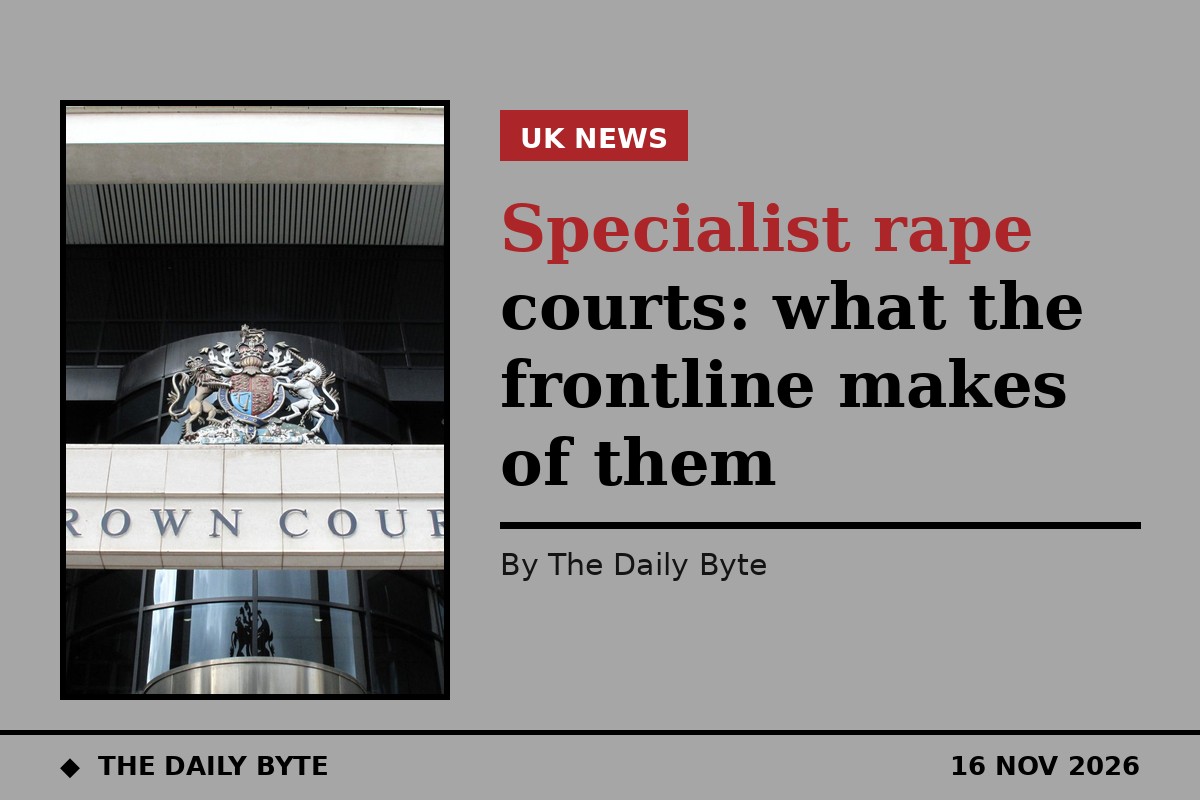
Every Crown Court in England and Wales will get a dedicated courtroom for rape and serious sexual offence trials, under a government plan announced in September that is now being tested against the experience of the barristers who prosecute these cases.
The government announced on 21 September 2026 that specialist rape and serious sexual offence (RASSO) courtrooms would be rolled out across all 84 Crown Court buildings over two years, by 2028. The plan is part of a wider effort to halve violence against women and girls within a decade.
What the specialist courts will change
Under the plan, rape and serious sexual offence trials will be given a fixed date, rather than being placed on floating lists where they can be moved at short notice and delayed by months. Courtrooms will be upgraded with private waiting rooms and separate entrances so complainants can avoid meeting the defendant, facilities to pre-record evidence, and the ability to observe sentencing remotely.
All court staff will receive trauma-informed training, and a trial will give victims of sex offences a single point of contact to support them through the process. A new Rape Justice Taskforce, bringing together leaders from across the criminal justice system, will work on delays and outcomes in rape cases. The government has also accelerated the rollout of specialist RASSO teams in all police forces to December 2027, alongside funding for the 24/7 Rape and Sexual Abuse Support Line.
A view from the frontline
A frontline assessment published today by Counsel Magazine gives a mixed welcome. Criminal barrister Charlotte Bull, of Church Court Chambers, writes that she has prosecuted 16 rape and serious sexual offence trials in the last 12 months and expects to prosecute six more before the end of 2026. Her diary, she says, is substantially blocked with such trials stretching into 2031.
Bull welcomes the specialist courtrooms and the upgrades to the complainant experience, but questions whether the numbers behind the plan stack up against the scale of the backlog and the demand on advocates. The courts system has been under strain for years, with long waits for trial dates leaving complainants and defendants in limbo.
Funding behind the plan
The government response to the Independent Review of the Criminal Courts, published on 12 October 2026, set out wider investment alongside the specialist courts. It promised unlimited Crown Court sitting days, up to £34 million more a year for criminal legal aid advocates alongside £116 million for criminal legal aid solicitors, £287 million for the court estate, £23 million over two years to deliver the specialist rape courts, £550 million for victims support services over three years, and a further £96 million for the Crown Prosecution Service over three years.
Why the change was made
Announcing the plans in September, Lord Chancellor Alex Norris said: “Real action to improve our courts. Real action for victims. Real action to deliver the justice they deserve.” The Prime Minister has said victims of rape and serious sexual offences have felt let down by the justice system for too long, with prosecution rates remaining low and many victims waiting years for their cases to be heard.
Figures cited in reporting of the announcement put the number of sexual offence cases awaiting trial in the Crown Court at 15,373 at the end of March. The specialist courts apply in England and Wales only.
Sources: GOV.UK; Counsel Magazine.


