UK Economy Grows 0.7%: What GDP Growth Means
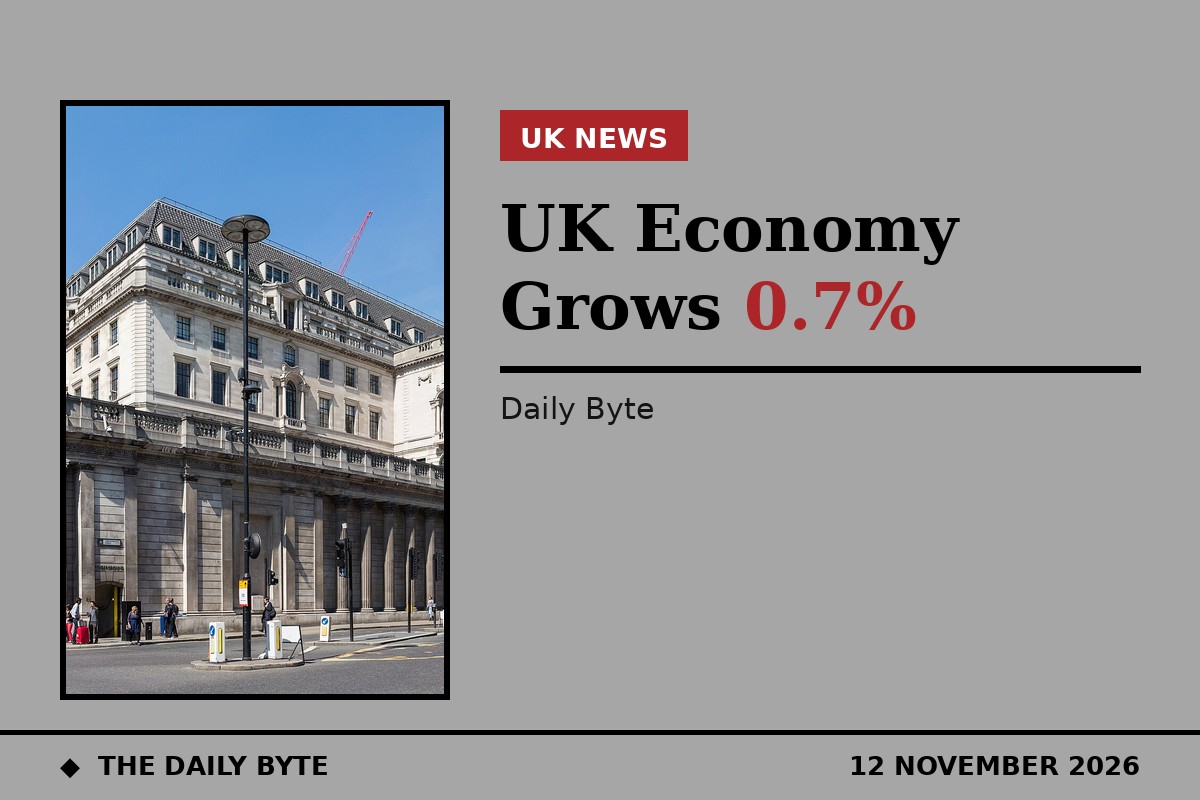
The UK economy grew by 0.7% between July and September 2026, according to the Office for National Statistics (ONS), its strongest quarterly performance since the first quarter of 2024. Growth picked up from 0.5% in the previous three months, and the economy also grew 0.2% in September alone. But what does a 0.7% rise in GDP actually mean, and does it matter for households? Here is the plain-English explanation.
What is GDP?
Gross domestic product, or GDP, is the total value of all the goods and services a country produces. When economists say GDP grew by 0.7%, they mean the economy produced 0.7% more, after adjusting for inflation, than in the previous three months. The ONS publishes the figure every quarter, and it is the headline measure of how the economy is performing. GDP per head, which divides the total by the population, also rose 0.7% in the quarter and was 1.7% higher than a year earlier.
What drove the 0.7% growth?
The ONS said the quarter was powered almost entirely by the services sector, which grew 0.9% and spans everything from hospitality and healthcare to finance and professional services. Computer programming and consultancy surged 4.4%, making it the largest single driver of growth across 2026, and the ONS found that many of the businesses reporting the biggest increases in turnover are involved in artificial intelligence and cloud computing. ONS chief economist Grant Fitzner said the economy “grew robustly in the third quarter almost entirely due to strong and widespread growth in the services sector”.
What does it mean for interest rates and households?
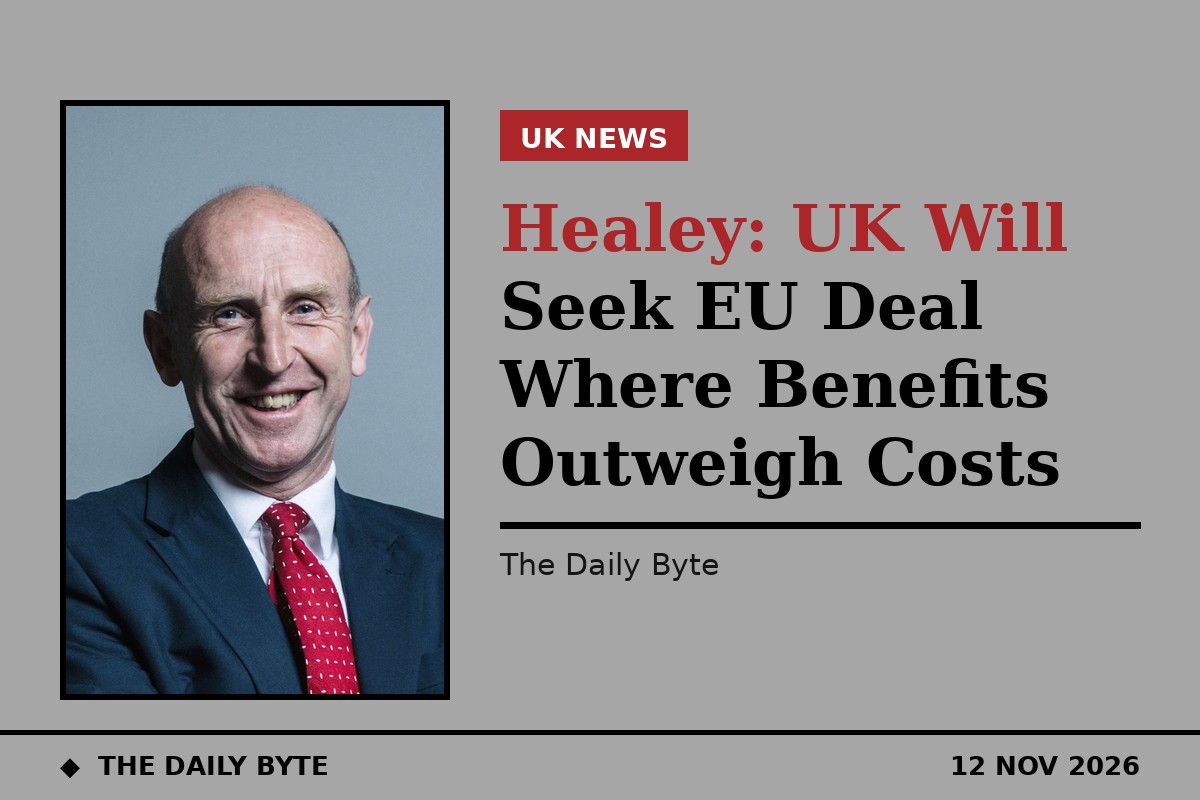
Stronger growth does not automatically mean lower interest rates. The Bank of England now expects GDP to expand by 1.6% this year, much stronger than the 1.2% forecast by the government’s Office for Budget Responsibility after Chancellor John Healey’s budget on 28 October. A stronger economy can ease pressure on the public finances, but the Bank will also weigh whether growth pushes up prices. For households, the most direct effect is indirect: a growing economy tends to support jobs and wages, though a single quarter’s figures say little about any one family’s finances.
Will the figures change?
Yes, possibly. These are the ONS’s first estimates for the third quarter, and early estimates are subject to revision as more data arrives. August’s monthly figure, for example, was revised down from 0.1% growth to no growth at all in this release, while September’s 0.2% beat economists’ expectations of no growth. On an annual basis, GDP was 1.9% higher than in the same quarter a year ago, the strongest reading since the fourth quarter of 2024.
Frequently asked questions
Is 0.7% growth a lot? For the UK, yes, by recent standards: it is the fastest calendar-quarter growth since early 2024 and the fastest on a rolling three-month basis since May. But it is modest next to the rebounds seen after recessions.
What is GDP per head? GDP divided by the population. It rose 0.7% in the quarter, which means output grew faster than the population, leaving slightly more per person on average.
Where can I read the official figures? The ONS publishes the full release on its website. Source: Office for National Statistics, GDP first quarterly estimate, UK.