UK-EU deal to 'dissolve' £60m plant trade costs
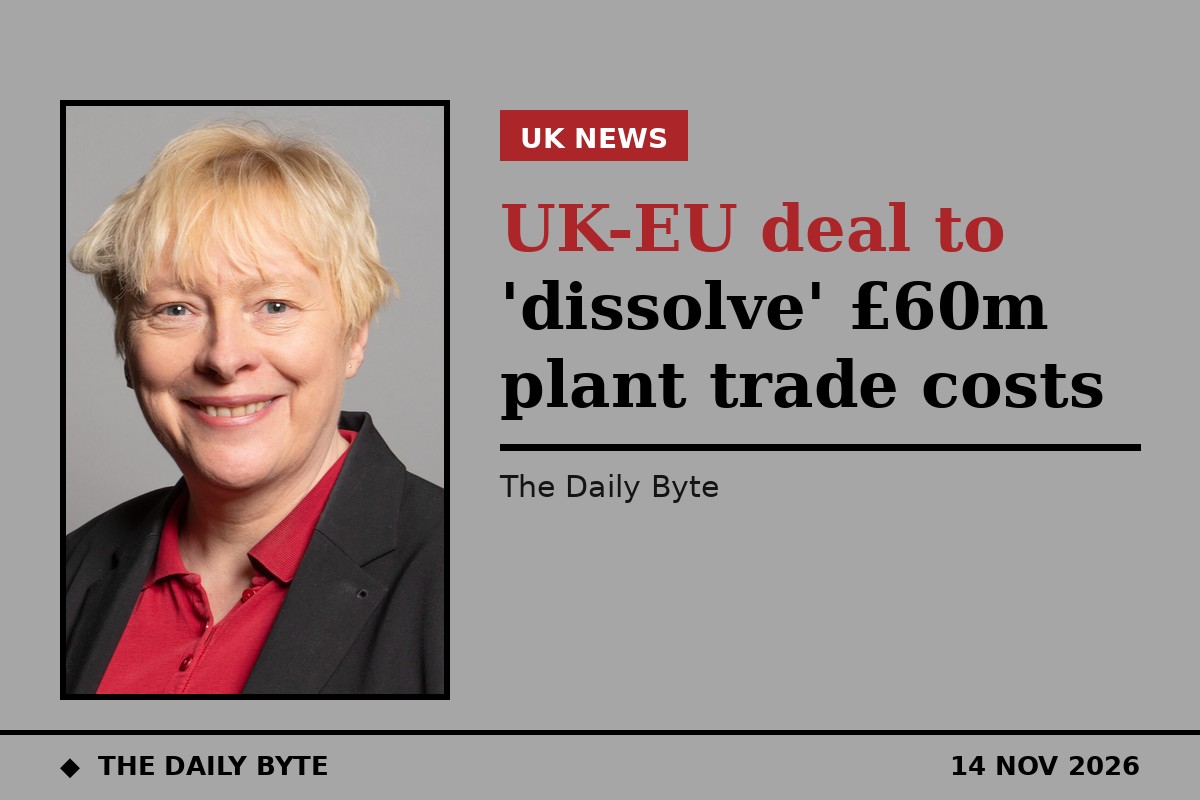
Environment Secretary Angela Eagle has said a new UK-EU deal will "dissolve" £60 million a year of costs for the horticulture industry by removing most border checks and paperwork on plant imports.
Eagle said she hoped the sanitary and phytosanitary (SPS) agreement, largely agreed in May and due to be signed at a UK-EU summit on 20 November, would end the paperwork burden that nurseries and plant importers have faced since Brexit.
"If we get the ink dry on 20 November, which I very much hope we will … all of that uncertainty, the extra cost, the paperwork and the potential problems if things get stuck at borders would all disappear," she told the Guardian during a visit to a plant nursery in Kent.
"The cost, that £60m, can just dissolve and people's potential to both export back into the EU and get their imports in … gets easier and more predictable."
What the £60m covers
The £60 million figure comes from calculations by the Horticultural Trades Association (HTA), the industry body for garden retailers, growers and landscapers. It covers plant health inspection fees, phytosanitary certificates, document and identity checks, port fees, agents' fees, additional labour costs and extra haulage.
The figure does not include the cost of late deliveries or sales lost because of port delays or damage to goods, so the true burden on the industry could be higher.
The SPS deal will permit the removal of the vast majority of physical checks and most of the accompanying certificates and paperwork on plants, food and animal products traded between Great Britain and the EU. Since the UK left the EU, those goods have been subject to border checks, certificates and fees that did not apply inside the single market.
Businesses must wait until 2028
Despite the expected signing next week, the deal is not expected to be implemented until the first quarter of 2028. That means nurseries and importers will remain subject to the current border arrangements for more than another year.
Provender Nurseries, one of the UK's largest wholesale nurseries, based at Swanley in Kent, welcomed the promise of the deal. But the business has already invested heavily in post-Brexit infrastructure and will not see the benefit of the changes for some time.
Eagle acknowledged that the deal would not help businesses recoup the large sums they have already spent on adapting to border controls.
Wider deal worth £5.1bn a year, government says
The government has estimated that the wider SPS agreement could add up to £5.1 billion a year to the UK economy by 2040. A draft text of around 200 pages has been circulated to EU member states, and the deal would also remove the need for export health certificates costing about £200 each and plant health certificates costing about £25.
In return, the UK would commit to keeping its food, animal and plant standards aligned with EU rules as they change, an arrangement known as dynamic alignment.
Britain and Germany also pledged closer cooperation on farming and food trade in a joint statement published on 13 November, after talks in London on 29 October between Eagle and German agriculture minister Alois Rainer.
The House of Lords is scheduled to debate the removal of sanitary and phytosanitary checks at EU borders on 19 November, the day before the summit.
For plant businesses, the test will be whether the deal is signed on 20 November and how quickly the promised easements follow. Until then, the £60 million a year in checks and paperwork remains a cost of doing business across the Channel.
Sources: Traders Union and House of Lords Library.