UK and EU agree draft deal to cut food export checks
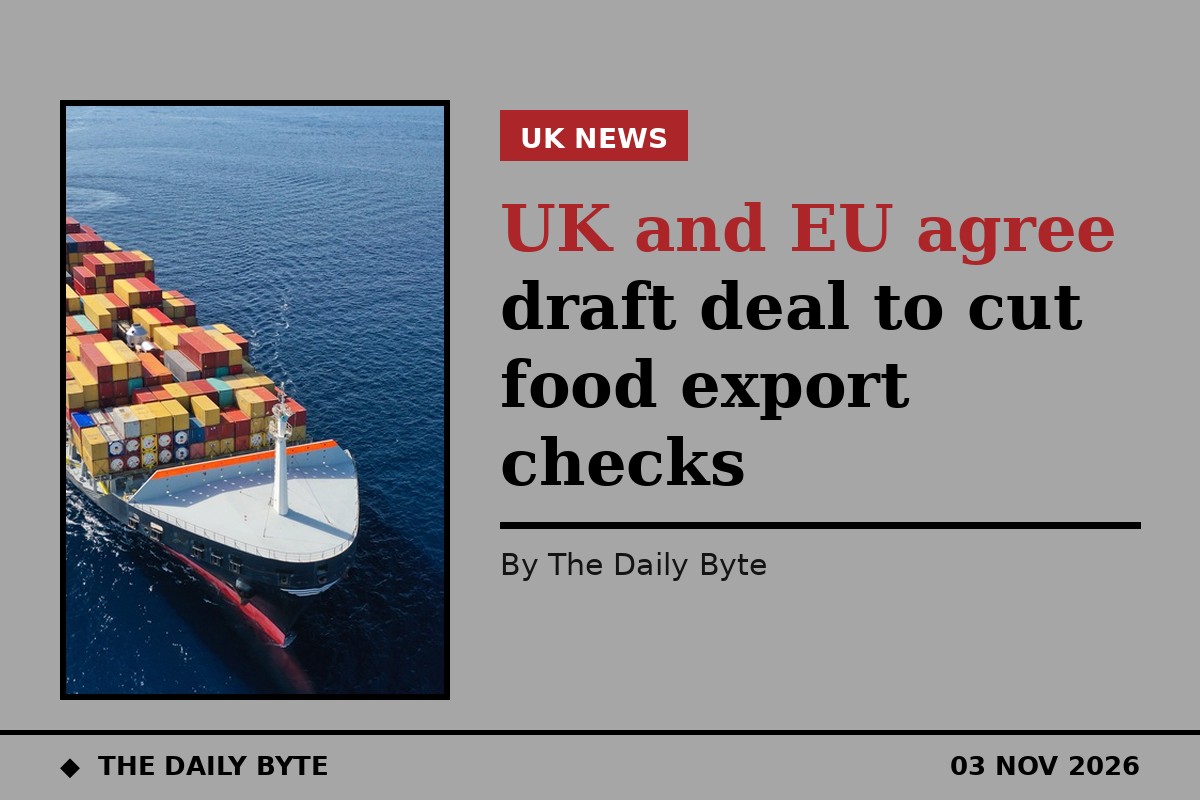
Britain and the European Union have agreed a draft deal that would remove most of the border checks imposed on food and farm goods since Brexit, in what is being presented as the centrepiece of the wider reset in relations between London and Brussels. The draft text, running to about 200 pages, covers sanitary and phytosanitary rules — the health and safety standards governing trade in animals, plants and food products — and has been circulated to EU governments ahead of a summit later this month.
For exporters, the practical change would be sweeping. The agreement would remove the need for export health certificates costing around £200, phytosanitary certificates priced at about £25, and a range of related charges including inspector fees, organic certification costs, some port fees and sampling fees. The government estimates the economy will eventually gain about £5.1 billion a year from the deal.
What would move again
UK exports to the EU of fresh sausages and burgers, shellfish caught in domestic waters and seed potatoes would be able to resume under the agreement. Under the deal, the UK would commit to observing and adapting to existing EU regulations on plant, animal and food trade standards, a process known as dynamic alignment.
What happens next
The draft agreements were sent to member states for consideration at a meeting of EU ambassadors on Wednesday, alongside separate draft texts on linking emissions trading systems and on a youth travel and work scheme, and a 15-page draft joint statement for the two sides' leaders. A European Partnerships Bill already announced by the government would provide the legal mechanism for applying new EU rules.
Sources: BBC News, via World Right Now and Bytes Europe.