UK fridges secured from hackers in secret operation
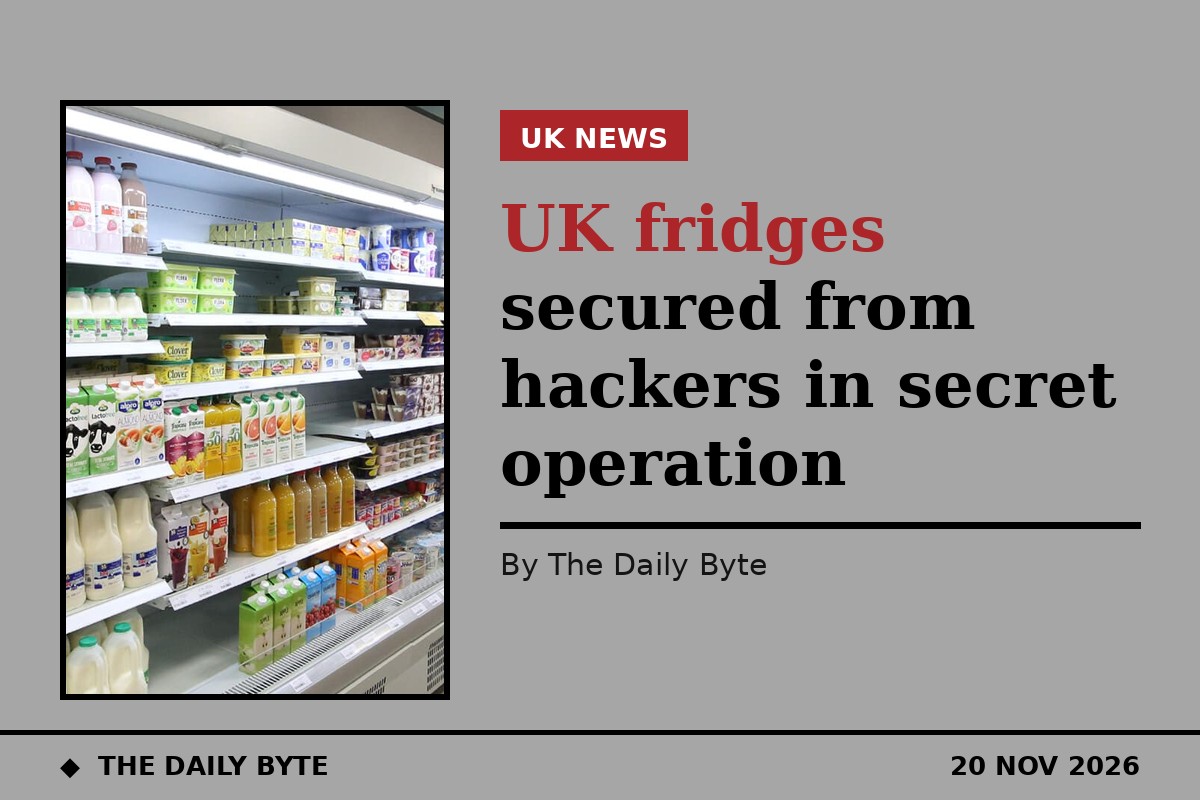
Tens of thousands of fridges and freezers at major UK supermarkets, warehouses, restaurants, petrol stations and stadiums have been secured from hackers in a secret behind-the-scenes cyber-security operation, the BBC has reported.
The operation began in late October after researchers found a major flaw in refrigeration controllers made by British company Resource Data Management (RDM), whose equipment is widely used across the UK food industry.
Thousands of devices controlling tens of thousands of refrigeration units were taken off the open internet, in some cases by staff physically unplugging cables and checking temperatures by hand.
A race against time
The flaw was discovered by Neil McCourt, an ethical hacker at Omega Solutions, a firm specialising in fridge telemetry. It was then verified by experts at Pen Test Partners, who helped raise the alarm.
Ken Munro, of Pen Test Partners, said the RDM controllers had a similar weak-password problem to the Danfoss units attacked in Europe, and the team had to spread the warning as quickly as possible while keeping it secret.
One BBC source called the operation "a race against time". The National Cyber Security Centre (NCSC), the Department for Environment, Food and Rural Affairs (Defra) and the Food Standards Agency (FSA) joined the effort, alongside the British Retail Consortium, retailers and suppliers.
Pen Test Partners said the NCSC did not at first acknowledge the vulnerability report Omega Solutions had sent it, but later issued an urgent alert once it became clear how many supermarkets, retailers and supply-chain operators were exposed.
Retail teams worked evenings and weekends to take the devices offline. A worker at one large chain told the BBC it was taking hundreds of devices offline every day over the course of a week.
Attacks across Europe
The UK operation followed three waves of attacks on refrigeration systems in 2026. In August, fridges at a small number of US military bases were affected.
On 11 and 12 October, hundreds of supermarkets and food processing sites in France were hit when Danfoss temperature-control systems were targeted. Hackers turned temperatures up remotely and destroyed frozen food stocks.
On 1 and 2 November, dozens of supermarkets across seven European countries were hit, with Belgium and Luxembourg the worst affected. A small number of blood bank sites in France were also affected. In some units temperatures reached 50C, leaving chilled and frozen products unsellable. France has blamed Iran for the attacks on its supermarkets.
British suppliers were also targeted. London fruit and vegetable wholesaler Langridge Organic said six of its ten refrigeration units had been compromised, while the Association of Independent Meat Suppliers confirmed incidents affecting several of its members.
Threat largely dealt with, but not gone
RDM has disputed the severity of the vulnerability, saying the researchers' findings involved testing that went beyond normal procedures, including dismantling its hardware.
Its chief executive, Ged Evans, said the company had moved quickly to address the concerns, releasing initial security updates and contacting customers with advice on protecting their equipment. He said there was no evidence that hackers had exploited the vulnerability in its controllers, and the company has since released new firmware addressing the issue.
The FBI's Cyber Division and the US Cybersecurity and Infrastructure Security Agency said in a joint release that they were observing malicious cyber activity targeting industrial refrigeration and cold-chain monitoring systems around the world, warning that weaknesses in unpatched or internet-accessible controllers could let attackers change system settings and cause stock loss and equipment damage.
Pen Test Partners said the immediate threat had largely been addressed, but smaller cold-chain operators could still be exposed if their controllers remained online, and food manufacturers, cold storage warehouses and other businesses further down the supply chain might not yet have received the necessary alerts.