What Is a UK Fiancé Visa? Explained
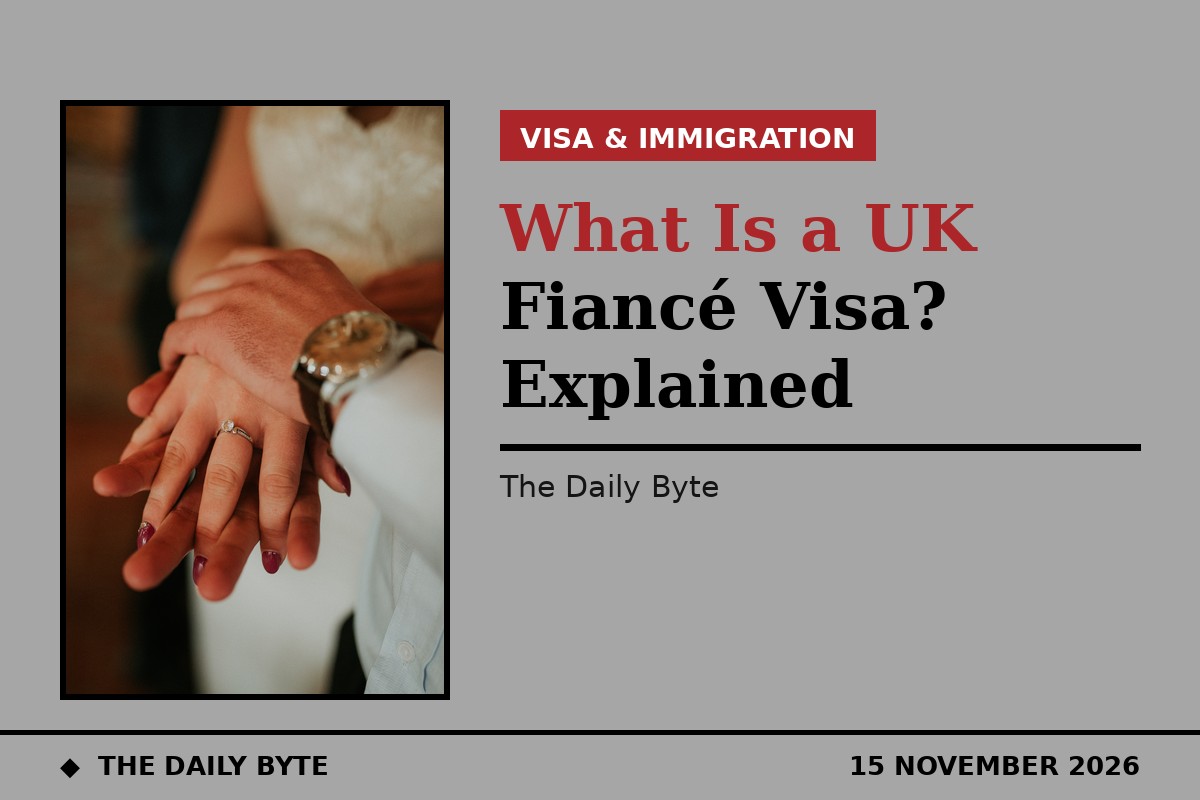
A UK fiancé visa — officially the fiancé, fiancée or proposed civil partner visa — is the entry route for someone who wants to travel to the United Kingdom to marry or form a civil partnership with a British or settled partner, and then live in the UK as a couple. It is part of the family visa as a partner, decided under Appendix FM of the Immigration Rules. It is granted for six months, and the wedding must take place inside that six-month window.
Many couples confuse it with the spouse visa. The difference is timing. A spouse visa is for couples who are already married or in a civil partnership. A fiancé visa is for couples who are not yet married but plan to marry in the UK. It is the first step on the same five-year route to settlement — but the six months spent as a fiancé do not themselves count towards settlement.
Who can apply for a fiancé visa?
Both partners must be aged 18 or over. Your partner in the UK must be a British or Irish citizen, settled in the UK — for example with indefinite leave to remain or settled status under the EU Settlement Scheme — or hold one of the other qualifying statuses listed on GOV.UK, such as refugee or humanitarian protection status. You cannot use the family visa to join a partner who is in the UK temporarily on a work or student visa; in that case you would apply as their dependant instead.
You must have met each other in person, and you must show a genuine and subsisting relationship and a genuine intention to marry or form a civil partnership within six months of arriving. Any previous marriage or civil partnership must have legally ended, so you must be free to marry. You must also intend to live together permanently in the UK after the wedding.
The six-month rule
The fiancé visa lasts for six months and it cannot be extended. That is the single most important fact about the route. The wedding — or the civil partnership ceremony — and the application to switch to a partner visa must both happen inside the grant. If the wedding is delayed beyond the six months, the visa expires and you would have to leave the UK and start again.
That means the practical planning matters as much as the paperwork. Couples usually book the ceremony, or at least give notice at a register office, before they travel, because notice periods and venue availability can eat into the six months. GOV.UK advises applicants to plan the wedding before applying, and the evidence you submit should show real arrangements, not just an intention to marry at some point.
The financial requirement: £29,000 a year
Fiancé applicants must meet the same financial requirement as partner applicants. The couple must usually show a combined gross income of at least £29,000 a year. That figure has applied since 11 April 2024. Earlier government plans to raise it to £34,500 and then £38,700 were never implemented, and the threshold remains £29,000.
If your combined income falls short, cash savings can fill the gap or replace the income requirement entirely. Only savings above £16,000 count, and the money must have been held for at least six months before you apply. To meet the requirement on savings alone, a couple needs £88,500 held for six months — £16,000 plus two and a half times the £29,000 threshold. The exact documents the Home Office accepts are set out in Appendix FM-SE, and the wrong payslips or bank statements are one of the most common reasons for refusal.
There is one transitional exception. Couples who first applied as a partner before 11 April 2024 and are extending with the same partner can use the older £18,600 threshold. That does not apply to a first fiancé application made now.
English language: level A1
For a first fiancé visa you need to show English at level A1 of the Common European Framework of Reference for Languages, in speaking and listening. In practice that usually means passing an approved Secure English Language Test, such as IELTS Life Skills A1, at an approved test centre. The requirement rises as you move along the route: A2 when you extend as a partner after two and a half years, and B1 when you apply for settlement after five years.
You must also show adequate accommodation — somewhere suitable to live that is not overcrowded and meets public health rules. That is usually straightforward, but the Home Office can ask for evidence such as a tenancy agreement or a letter from the person providing the accommodation.
What does a fiancé visa cost?
Under the Home Office fee table in force from 8 April 2026, the application fee for a fiancé visa from outside the UK is £2,064. Unusually for a UK visa, there is no Immigration Health Surcharge at the fiancé stage, because the grant is for six months or less and the surcharge does not apply to grants of that length.
But the fiancé fee is only the first instalment. After the wedding you must apply inside the UK to switch to a partner visa. That application costs £1,407, plus the Immigration Health Surcharge of £2,587.50 for the two-and-a-half-year grant. Taken together, the first year of the route costs £6,058.50 in Home Office fees and surcharges, before any optional priority service. A priority service, where available, costs £500 and aims for a decision within 30 working days for family applications made outside the UK. The usual decision time for a fiancé visa from outside the UK is around 12 weeks.
What you cannot do on a fiancé visa
A fiancé visa does not allow you to work or study in the UK, in any capacity, during the six months before the wedding. That catches some couples out, because the partner visa that follows it does allow work and study without restriction. You also cannot claim public funds, and you cannot switch into a different visa route from inside the UK while on a fiancé visa — the only in-country move available is the switch to a partner visa after the marriage or civil partnership.
Because there is no health surcharge at the fiancé stage, you are not covered by the surcharge route into the NHS for those six months in the same way, so couples should think about health cover for the period before the wedding.
After the wedding: switching to a partner visa
Once you are married or in a civil partnership, you apply online to remain in the UK as a partner. That grant lasts for two years and six months. After that you extend for a further two and a half years, and after five years in total as a partner you can apply for indefinite leave to remain, and then for British citizenship a year after that.
The five-year settlement clock starts when the partner visa is granted, not when the fiancé visa was granted. The six months as a fiancé do not count towards the five years. That is worth knowing when you plan the long term, because it means the full journey from arrival to settlement is five and a half years.
Fiancé visa or Marriage Visitor visa?
Couples sometimes consider the Marriage Visitor visa instead. It costs £135 and lets you come to the UK to marry and then leave. It is the right choice if you intend to live outside the UK after the wedding. It is the wrong choice if you intend to settle in the UK, because you cannot switch from a Marriage Visitor visa to a partner visa inside the UK — you would have to leave and apply for a spouse visa from abroad. The fiancé visa costs far more precisely because it leads to settlement.
Common mistakes to avoid
The most common problems are applying before the finances are in order, submitting bank statements that do not cover the full six-month period, taking an English test that is not on the approved list, and leaving the wedding planning too late. Another is assuming the fiancé visa can be extended if the wedding slips — it cannot. If the ceremony cannot happen within six months, the safer course is to delay the application rather than travel and run out of time.
Because the evidence rules are detailed, many couples take regulated advice before applying. This guide is general information, not personal immigration advice, and it cannot tell you whether your own application will succeed.
Immigration rules and fees change, often in April. Before you apply, check the official GOV.UK page for family visas as a partner or spouse, and confirm the current fee, the income threshold and the English language requirement on the day you apply. The official page is the only source that matters: GOV.UK — Family visas: apply as a partner or spouse. A second independent guide to the same route is published by Wesbridge Associates: UK Fiancé Visa: Engagement and Marriage Route.