What is the Homes for Ukraine scheme?
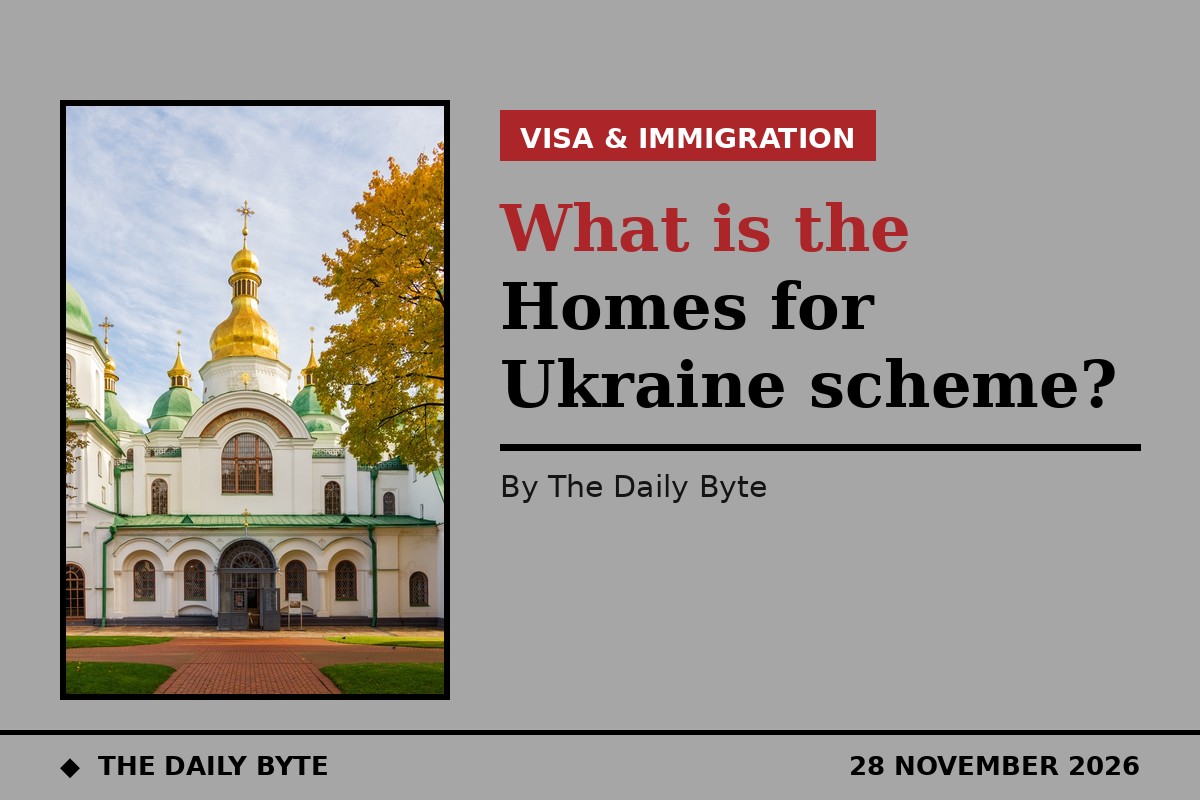
The Homes for Ukraine scheme is a UK sponsorship scheme that lets people fleeing the war in Ukraine come to live with a host household in the UK. It was launched on 14 March 2022, weeks after Russia's full-scale invasion of Ukraine began, and it is open to Ukrainian nationals who were living in Ukraine before 1 January 2022, and to their immediate family members. Guests can live, work and study in the UK, claim benefits and use the NHS, while their host receives a monthly "thank you" payment from the government.
The scheme is unusual among UK visa routes because it is built on private hospitality rather than on an employer, a university or a family member already settled here. Ordinary households — not institutions — are the sponsors. That design is also why the rules cover two different groups of people at once: the guests arriving from Ukraine, and the sponsors and hosts who take them in. This guide explains how both sides of the scheme work.
Who can come under Homes for Ukraine?
The scheme is open to Ukrainian nationals who lived in Ukraine before 1 January 2022, and to their immediate family members — for example a spouse or partner and children under 18 — who may be of other nationalities. Applicants can apply from Ukraine or from any other third country; they do not have to be in Ukraine when they apply.
Children under 18 travelling alone are dealt with under separate guidance, and there are specific rules for parents or legal guardians who want to sponsor their child under the scheme. The number of people who can access the scheme is uncapped: it depends on the capacity of sponsors who come forward, rather than on a quota set by the government. That has made the scheme's scale a direct reflection of how many households volunteer.
Who can be a sponsor or host?
Sponsors and hosts can live anywhere in the UK — England, Scotland, Wales or Northern Ireland — and can be of any nationality. In practice the scheme asks a household to offer a spare room or self-contained accommodation to a guest or family group, for at least six months.
Since 19 February 2024, sponsors have had to be British or Irish citizens, or settled in the UK — meaning they have the right to live in the UK permanently — on the date of the guest's visa application. There is one exception: if the sponsor is a parent or legal guardian applying to host their child, that requirement does not apply, provided they hold permission under any of the Ukraine Schemes.
Scotland and Wales also ran devolved sponsorship schemes, sometimes called "super sponsor" schemes, under which the devolved government itself sponsored the visa application rather than an individual household. Both are currently paused for new applicants, although existing visa holders continue to be supported as planned. In Northern Ireland, support for arrivals is provided through different organisations, and the GOV.UK sponsor guidance links to the local information pages.
The scheme draws a distinction between a sponsor and a host. A sponsor is someone who helps a named guest apply for a visa to come to the UK; a host is someone who takes in a guest who is already in the UK, for example when an earlier hosting arrangement has ended. The second situation is often called rematching, and councils can help arrange it.
How does sponsorship work?
The process starts with the sponsor finding a guest to sponsor — an individual or a family group, if there is enough space to accommodate them. People who do not already know someone to sponsor can use voluntary and community sector organisations on the government's list of Recognised Providers, which help link sponsors with people coming from Ukraine. Sponsors can also register their interest, and their details will be shared with their council.
Once a sponsor and guest have been matched, the guest applies for a visa under the Homes for Ukraine Sponsorship Scheme. Before the guest arrives, the council carries out checks: sponsors and all adults in the sponsor's household are subject to mandatory DBS checks, and the council checks that the accommodation is suitable. The first thank you payment is only made after the council's first accommodation check, once the guests have arrived and the accommodation is confirmed to be of a suitable standard.
Sponsors are asked to commit to hosting for at least six months — the longer the better, in the government's own words — and they cannot charge their guests rent. If a sponsor cannot continue beyond the initial period, guests should be given two months' notice, and the sponsor should tell the local council as soon as possible so that a rematch can be arranged. The government also expects sponsors to meet their guests when they arrive, help them sign up to local services such as a GP and dentist, and give them a place to stay. The GOV.UK guidance includes practical safety advice for sponsors, including verifying a guest's identity by phone or video call before arrival and taking care with personal information shared online.
How long can guests stay?
This is the part of the scheme that has changed the most since it launched. Guests whose applications were made before 19 February 2024 were given permission to live and work in the UK for up to three years. Guests whose applications were submitted after 19 February 2024 are given up to 18 months.
When that permission runs out, guests can apply for the Ukraine Permission Extension (UPE) scheme, which opened for applications on 4 February 2025. UPE gives eligible applicants permission to remain in the UK for up to a further 18 months, with the same rights and entitlements to work, study, rent and receive benefits. Guests can apply for a further UPE extension up to 90 days before their current permission expires. UPE is open to people living in the UK on any of the Ukraine schemes — Homes for Ukraine, the Ukraine Family Scheme and the Ukraine Extension Scheme — not only to Homes for Ukraine guests.
What rights do guests have?
Guests arriving under Homes for Ukraine have the right to work or study, claim benefits, use the NHS, send their children to school, rent or buy somewhere to live, and attend free English language classes. They can apply for benefits from the day they arrive, and everyone who was ordinarily resident in Ukraine immediately before 1 January 2022, and their immediate family, is entitled to full and free access to most NHS services. Councils have also provided a one-off £200 payment per guest to help with essential costs on arrival.
That breadth of rights from day one is what distinguishes the Ukraine schemes from most other UK visa routes, where access to benefits and public services is usually restricted for years. It reflects the fact that the scheme was designed as a humanitarian response rather than as a labour or family migration route, and it is one of the reasons the scheme's rules have been kept comparatively simple for guests.
What is the thank you payment?
As a thank you for hosting, eligible sponsors can receive a monthly payment, paid in arrears and administered through their council in England. There can only be one payment per residential address, however many guests are hosted there.
The rate has changed several times since the scheme began. According to the current GOV.UK guidance, until 31 December 2026 thank you payments are paid at £350 a month per household. From 1 January 2027, the rate will change to £100 a month per household, and the change will apply to payments made after 1 January 2027 — including for sponsors who are already receiving payments. The payments are tax-free and should not affect the sponsor's entitlement to benefits or council tax status, including single-occupancy council tax discounts, while the guest is on a Homes for Ukraine visa.
There are limits. Since 1 October 2024, close family members of Homes for Ukraine visa holders are not eligible to start claiming thank you payments, whether for new arrivals or for guests already in the UK who move in with a close family member. Sponsors also cannot receive the payment if they charge their guests rent, ask for excessive contributions for food or utilities, or ask guests to do unpaid work. The government guidance says sponsors may ask guests for a reasonable and proportionate contribution towards water, gas and electricity, according to use.
Thank you payments can continue after a guest moves onto the Ukraine Permission Extension scheme: eligible sponsors can claim them for up to 18 months from the date the guest first moves onto a UPE visa, after which payments end. If a sponsor stops hosting, or a guest moves out, the payments stop, and the sponsor must tell the local council as soon as possible.
Is the scheme still open?
Yes. As of 28 November 2026, households can still register their interest in sponsoring, guests can still apply for a visa under the scheme, and the Ukraine Permission Extension scheme remains open for people already in the UK on a Ukraine visa. The Scottish and Welsh devolved super-sponsor routes are paused for new applicants, but existing visa holders under those routes are still supported.
That said, almost every part of the scheme has changed at least once since 2022 — the length of visa granted, who can sponsor, the thank you payment rate, and the extension route. The £350 to £100 payment change on 1 January 2027 is the next change already announced. Anyone considering sponsoring, or planning a stay in the UK under the scheme, should check the current GOV.UK guidance linked below before acting, because the rules that applied to the first arrivals in 2022 are not the rules that apply today.
Frequently asked questions
Do I have to be a British citizen to sponsor someone? Since 19 February 2024, sponsors must be British or Irish citizens, or settled in the UK, on the date of the guest's visa application. The exception is a parent or legal guardian hosting their child under the Ukraine Schemes.
Can guests work in the UK? Yes. Guests have the right to work or study from the day they arrive, as well as to claim benefits, use the NHS and send their children to school.
How long does a Homes for Ukraine visa last now? For applications made after 19 February 2024, up to 18 months. Earlier grants were for up to three years. Guests can then apply for the Ukraine Permission Extension, which adds up to 18 months with the same rights.
Do hosts get paid? Eligible sponsors receive a thank you payment of £350 a month per household until 31 December 2026, falling to £100 a month from 1 January 2027. It is paid in arrears by the council, and only one payment is made per address.
Can I host someone who is already in the UK? Yes. Hosting a guest who is already in the country is part of the scheme, and councils can help with rematching when an earlier arrangement ends.
Can I charge my guest rent? No. Sponsors cannot charge rent, and charging rent would also make them ineligible for thank you payments. A reasonable, proportionate contribution towards bills such as gas, water and electricity is allowed.
Immigration and sponsorship rules change, and payment rates are updated regularly, so always check the official GOV.UK pages linked below before applying or offering to host. This article explains the scheme as it stands; it is not personal immigration advice.