What Is the London Congestion Charge?
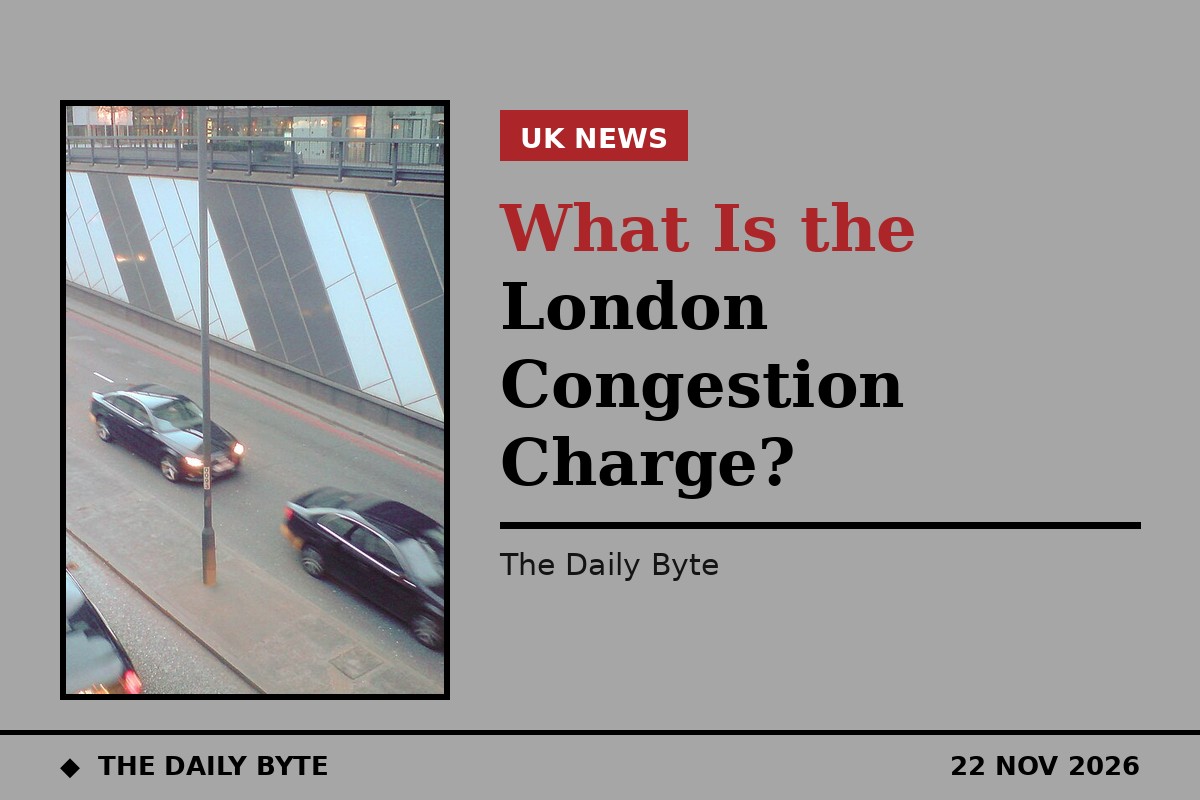
The London Congestion Charge is an £18 daily fee for driving in central London during charging hours. It applies from 7am to 6pm, Monday to Friday, and from midday to 6pm on Saturdays, Sundays and bank holidays, and it rose from £15 to £18 on 2 January 2026. Most vehicles that enter the Congestion Charge Zone during those hours must pay, including, for the first time, electric cars. If you pay in advance or on the day of travel, the charge is £18; if you pay by midnight on the third day after travel, it is £21. This guide explains what the charge is, where it applies, who has to pay, how to pay, and what happens if you do not.
The charge is run by Transport for London, known as TfL, and it is enforced entirely by automatic number plate recognition cameras. There are no toll booths and no barriers: cameras read your number plate as you enter the zone, and it is your responsibility to pay. The money raised goes towards improving transport in London. The scheme was introduced in 2003 by the then Mayor of London, Ken Livingstone, at £5 a day, with the aim of cutting traffic congestion in the centre of the capital and encouraging people to use public transport instead.
What is the London Congestion Charge?
The Congestion Charge is a daily fee charged on most cars and motor vehicles driven within the Congestion Charge Zone, an area of about eight square miles in central London. You pay once per day, per vehicle, no matter how many times you enter or leave the zone during that day. The charge is designed to reduce traffic, cut journey times and improve air quality by making drivers think twice before taking a car into the centre of the city.
The charge is separate from the Ultra Low Emission Zone, known as ULEZ, which is a different scheme with its own rules, charges and penalties. A vehicle can be liable for both charges on the same day: the Congestion Charge for entering central London during charging hours, and the ULEZ charge of £12.50 a day if the vehicle does not meet emissions standards. ULEZ operates 24 hours a day, every day of the year, across all London boroughs, while the Congestion Charge only applies in the central zone and only during charging hours.
How much does the Congestion Charge cost in 2026?
From 2 January 2026, the standard daily charge is £18 if you pay in advance or on the day of travel. If you pay later, by midnight on the third day after you travelled in the zone, the charge rises to £21. The increase from £15 to £18 was a 20 per cent rise and the first increase since June 2020. Transport for London has said the charge will rise each year from 2027, in line with other TfL fares on buses, trains and the Underground.
For a driver who enters the zone five days a week, the £18 charge adds up to about £4,500 a year, £750 more than at the old £15 rate. That is why many regular commuters have switched to public transport, changed their working hours, or registered for Auto Pay to make sure they never miss a payment and face a fine on top of the charge.
When does the Congestion Charge apply?
The charge applies seven days a week during the following hours: 7am to 6pm, Monday to Friday, and midday to 6pm on Saturdays, Sundays and bank holidays. Outside those hours, you can drive in the zone without paying. There is no charge on Christmas Day, and no charge between Christmas Day and the New Year's Day bank holiday inclusive.
That means an evening trip into central London after 6pm on a weekday, or a late-night journey, is free of the charge, although the ULEZ charge may still apply if your vehicle does not meet emissions standards, because ULEZ runs around the clock. If you are planning a trip, check the charging hours before you travel, because entering the zone even a few minutes before the charge ends still triggers the full daily fee.
Where is the Congestion Charge Zone?
The zone covers the area inside the London Inner Ring Road, including the City of London, the main financial district, and the West End, the capital's main shopping and entertainment area. Roughly, it runs from Euston Road and Marylebone Road in the north, to Tower Bridge Road and Commercial Street in the east, Elephant and Castle and New Kent Road in the south, and Park Lane and Edgware Road in the west. It covers about eight square miles, from King's Cross in the north to Vauxhall in the south, and from Paddington in the west to Whitechapel in the east.
The boundary can be confusing, because some roads on the edge of the zone are partly inside and partly outside it. TfL's website lets you check whether a specific address or postcode is inside the zone, and it publishes an official map of the Congestion Charge Zone. It is worth checking before you travel, because driving a short distance across the boundary during charging hours is enough to trigger the charge.
How do I pay the Congestion Charge?
You can pay online through the TfL website, through TfL's Pay to Drive in London app, by telephone, or at selected newsagents and petrol stations in the London area. There are also around 100 blue and red self-service machines in car parks inside the zone, which accept credit and debit cards but not cash. Regular drivers can register for Auto Pay, which automatically takes the charge from your bank account or card each time your vehicle is detected in the zone, so you never have to remember to pay.
You can pay in advance, on the day of travel, or up to midnight on the third day after travel, although paying late costs £21 instead of £18. After that deadline, you can no longer pay the charge, and TfL will send a Penalty Charge Notice instead. Beware of unofficial websites that offer to pay the charge on your behalf: they may charge an extra fee, and there is no guarantee they will pass the payment on to TfL. Always pay through TfL directly.
Who is exempt and who gets a discount?
Some vehicles and drivers do not have to pay the Congestion Charge at all. Blue Badge holders qualify for a 100 per cent exemption. Motorbikes, mopeds and bicycles are exempt, as are vehicles with nine or more seats. Emergency vehicles such as ambulances and fire engines are exempt, provided they are registered with the right taxation class, and NHS vehicles that are already exempt from vehicle tax are also exempt.
People who live inside the Congestion Charge Zone can apply for a residents' discount of 90 per cent, which reduces the daily charge to £1.80. TfL has said it will update the residents' discount rules for new applicants in 2027. A Cleaner Vehicle Discount applies to vehicles with electric batteries or hydrogen fuel cells, but the rules changed at the start of 2026, as explained below.
Do electric cars pay the Congestion Charge?
Yes, from the end of 2025, electric car drivers have to pay the Congestion Charge. Until 25 December 2025, pure electric vehicles enjoyed a 100 per cent discount and paid nothing. That discount ended, and from 2 January 2026 electric cars are subject to the charge like any other vehicle. Battery-powered electric vehicles registered for Auto Pay receive a 25 per cent discount, which brings the daily cost down to £13.50.
Hybrids and plug-in hybrids do not qualify for the electric vehicle discount and pay the full £18. The change was one of the most significant parts of the January 2026 reforms, and it caught out some electric car owners who had driven into central London free of charge for years. If you drive an electric car, register for Auto Pay to get the 25 per cent discount, and remember that the discount only applies if your vehicle is registered for the scheme.
What happens if I do not pay?
If you drive in the zone during charging hours and do not pay by midnight on the third day after travel, TfL will send you a Penalty Charge Notice, known as a PCN. The fine is £180, reduced to £90 if you pay within 14 days. If you do not pay or challenge the PCN within 28 days, the fine increases to £270.
You can appeal a PCN if you think it was issued unfairly. Valid grounds include that you were not the keeper of the vehicle at the time, that you had already paid the charge, that the vehicle was exempt, that the vehicle was used without your consent, or that the vehicle was on hire to someone else. TfL says it will consider representations made on any other grounds as well. You have 28 days from the date the PCN was issued to pay or appeal, and you can challenge it online through the TfL website or by writing to Congestion Charging, PO Box 344, Darlington, DL1 9QE. If you have questions about a PCN, the TfL contact centre can be reached on 0343 222 3333.
How can I avoid the Congestion Charge?
The simplest way to avoid the charge is not to drive into central London during charging hours. London's public transport network, including the Tube, buses and local trains, covers the whole of the zone, and many visitors use Oyster cards or contactless payment. Cycling is another option, with cycle hire schemes operating across central London.
If you must drive, you can time your journey to fall outside charging hours: after 6pm on weekdays, or before midday at weekends. You can also park outside the zone and complete your journey by public transport. Tourists and visitors are not exempt: if you hire a car or drive your own car into central London during charging hours, the same rules apply to you, and hire companies will usually pass on any Penalty Charge Notice, plus an administration fee, if you fail to pay.
Frequently asked questions
How much is the London Congestion Charge? £18 per day if you pay in advance or on the day of travel, or £21 if you pay by midnight on the third day after travel. The charge rose from £15 to £18 on 2 January 2026.
What times does the Congestion Charge operate? Monday to Friday, 7am to 6pm, and Saturday, Sunday and bank holidays, midday to 6pm. There is no charge on Christmas Day or between Christmas Day and the New Year's Day bank holiday.
Do electric cars pay the Congestion Charge? Yes. The 100 per cent discount for electric vehicles ended on 25 December 2025. From 2 January 2026, electric cars pay the charge, with a 25 per cent discount to £13.50 a day if registered for Auto Pay.
What is the fine for not paying? The Penalty Charge Notice is £180, or £90 if paid within 14 days. It rises to £270 if you do not pay or challenge it within 28 days.
Is the Congestion Charge the same as ULEZ? No. The Congestion Charge is a fee for driving in central London during charging hours, while ULEZ is an emissions charge of £12.50 a day that applies 24 hours a day across all London boroughs. A vehicle can be liable for both on the same day.
Sources: Transport for London, Changes to the Congestion Charging scheme and RAC, London Congestion Charge: a simple guide. Check the current charge, hours and exemptions on the TfL website before you travel, as the rules change from time to time.