What Is the UK-EU SPS Deal? Food Checks Explained
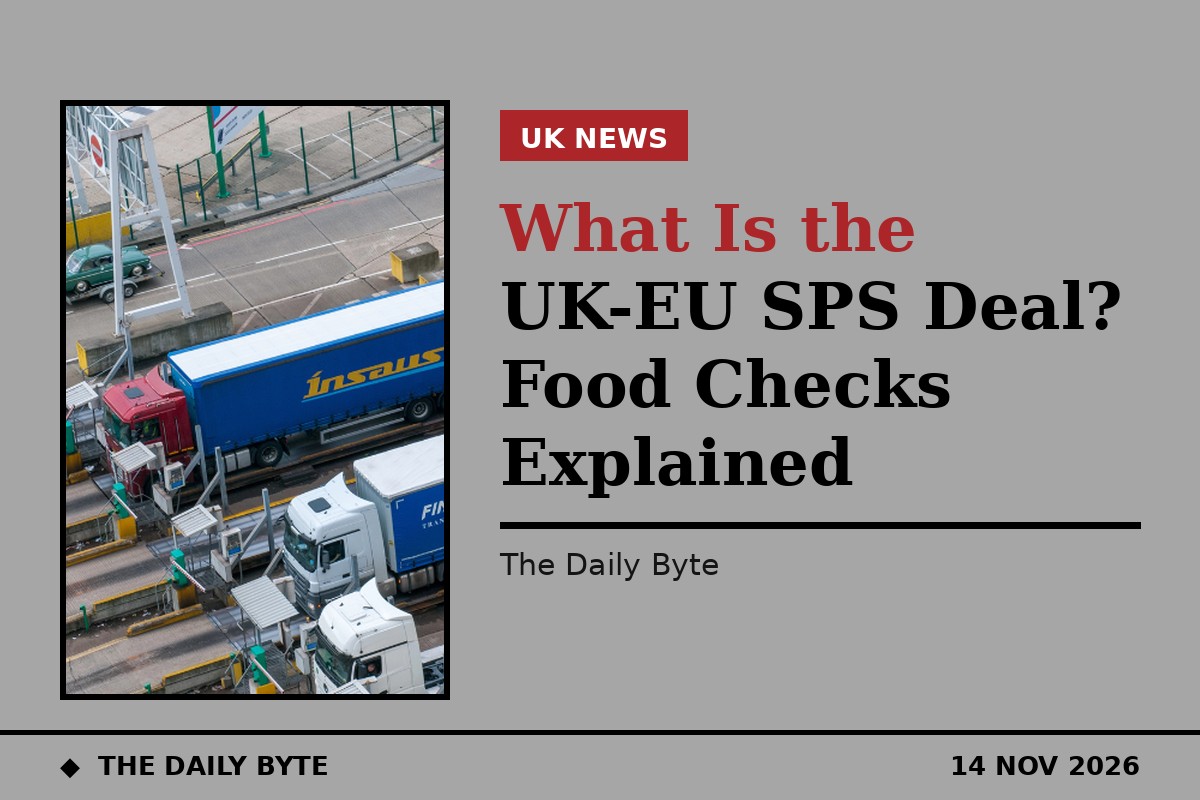
The UK and the EU have agreed the draft text of a sanitary and phytosanitary (SPS) agreement that would remove most post-Brexit border checks on food, animals and plants. The roughly 200-page draft is expected to be finalised at a UK-EU summit in Brussels on 20 November 2026, when Prime Minister Andy Burnham is due to meet European Commission President Ursula von der Leyen and European Council President António Costa. The deal is not yet in force, and a political agreement at the summit would still need legal and implementation work before border requirements change. The House of Lords Library has published a full briefing on the proposals.
What are SPS checks?
Sanitary and phytosanitary measures are the rules that protect food safety and animal and plant health. Since the end of the Brexit transition period, the EU has applied its full SPS regime to imports from Great Britain, which means exporters need export health certificates or phytosanitary certificates, and their goods face documentary, identity and physical checks at border control posts. An export health certificate costs around £200 per consignment, and a mixed lorry load can need several. A phytosanitary certificate costs £25.52, with inspection fees of £127.50 plus £63.80 for every additional 15 minutes of an inspector’s time. The Chilled Foods Association estimated that in the first 11 months of EU SPS checks in 2021, the certificate requirements alone cost exporters at least £60 million in paperwork.
What would the deal change?
The proposed agreement would establish a common SPS area between Great Britain and the EU, so that the vast majority of movements of animals, animal products, plants and plant products would take place without the certificates or routine controls currently required. It would work through “dynamic alignment”, meaning the UK would follow future changes in EU law in this area, with a role in shaping decisions but without the same full involvement in making EU law as a member state. The government has estimated the agreement could add up to £5.1 billion a year to the UK economy by 2040. Farming minister Stephen Morgan told MPs that an SPS agreement could increase the volume of UK exports of major primary agricultural commodities to the EU by around 16 per cent. Farmers Guide reported the draft deal when it was agreed on 3 November.
Why is it in the news now?
Britain and Germany pledged closer cooperation on farming and food trade in a joint statement published on 13 November 2026, following talks in London on 29 October between UK environment secretary Angela Eagle and German agriculture minister Alois Rainer. The statement is a commitment to work together rather than a change in customs law, but both governments expect the SPS agreement to be finalised at the 20 November summit. In an interview reported on 13 November, Eagle estimated that easing plant-trade procedures could save around £60 million a year in inspection, certification, port, labour and transport costs. That is an estimate of potential savings, not money already saved. Current reporting places implementation in the first quarter of 2028, so today’s certificates and checks remain in place for traders planning deliveries over the coming year.
Why do some farmers have concerns?
Supporters say the deal would cut costs, ease trade and improve market access, but critics have raised concerns about dynamic alignment, parliamentary scrutiny and regulatory autonomy. Country Land and Business Association president Gavin Lane said removing red tape at the border would be little consolation if it meant more restrictions on the farm, warning that British farmers could find themselves bound by EU rules on pesticides and animal health even if they never export a single product. Precision breeding is another point of contention: the NFU has called on the government to secure an exemption preserving the current framework for precision-bred products until at least 2028, and the deal is expected to include only a short list of exceptions.
What about Northern Ireland?
Different rules already apply to Northern Ireland, which remained subject to EU single market rules for goods, including SPS rules. Under the Windsor Framework agreed in February 2023, goods moving from Great Britain and staying in Northern Ireland go through a “green lane” with fewer checks, while goods moving on to Ireland or the rest of the EU go through a “red lane” with full checks. The new SPS agreement covers movements between Great Britain and the EU, and the Northern Ireland arrangements sit alongside it.
What happens next?
The House of Lords is scheduled to debate SPS checks at EU borders on 19 November 2026, the day before the summit. The milestones to watch after that are publication of the final terms, clarity on exemptions and transitional arrangements, and instructions for the agencies that inspect goods. Until those are settled, exporters should plan on the current system: certificates, inspections and border checks still apply, and the deal will only cut costs once it is agreed, legislated for and put into operation.


