US ports face surge in cyberattack attempts
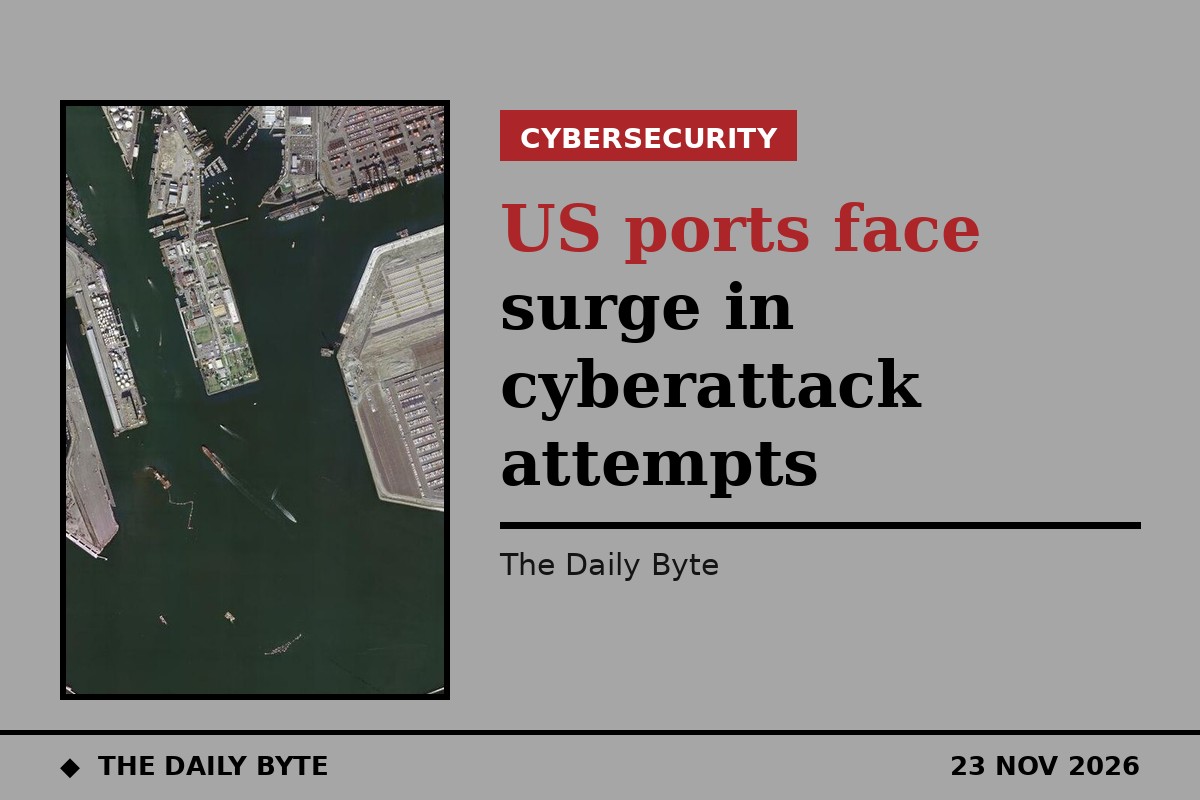
Major ports in the United States are facing a growing wave of cyberattack attempts, the Financial Times reported on Sunday 22 November 2026, raising concern about disruption to trade routes and energy supplies. The figures describe attempted attacks and blocked activity, not confirmed breaches of port systems.
The Port of Corpus Christi in Texas, the largest gateway in the United States for crude oil exports, handles around 2.3 million barrels of oil a day and is experiencing hundreds or even thousands of attempted cyberattacks daily, according to the report. Its chief executive, Kent Britton, told the newspaper that attackers were probing the port's computer networks for weaknesses and sending messages impersonating senior executives in an attempt to trick staff into granting access.
How the attacks work
The attempts range from automated password guessing to more sophisticated efforts to steal or destroy data, the report said. The three main techniques reported were network exploitation, credential harvesting and malware attacks. Newsmax, reporting the same Financial Times findings, noted that the Port of Los Angeles said it blocked 120 million attempted attacks in August, nearly twice its monthly average in 2023.
Gene Seroka, executive director of the Port of Los Angeles, said cybersecurity was front of mind every day, warning that attackers only have to succeed once. The port is the busiest in the United States and forms part of the San Pedro Bay complex with Long Beach.
Tankers and other ports also targeted
The US Coast Guard recorded a 17% increase in maritime cyber incidents last year, the report said. In August, the Coast Guard and the FBI investigated suspected intrusions involving two US-bound tankers carrying crude oil and liquefied petroleum gas from the Mediterranean to Galveston, Texas. The vessels' networks were reportedly compromised near the Strait of Gibraltar, prompting security inspections on 21 and 24 August. Authorities have not publicly identified those responsible.
An August cyberattack on North Carolina Ports temporarily delayed gate operations and forced staff to switch to manual cargo processing. Shipping company Maersk disclosed a data breach this month, although it said operations were unaffected and the incident did not involve ransomware.
The US Coast Guard's cybersecurity rule for the marine transportation system took effect on 16 July 2025, requiring covered operators to report qualifying cyber incidents and train staff. Operators must submit their first cybersecurity assessments and plans by 16 July 2027.
FAQ
Have US ports been hacked? The reporting describes a surge in attempted attacks and blocked activity. Only a small number of confirmed incidents are described, including the August attack on North Carolina Ports and the suspected tanker intrusions. Attempts should not be reported as confirmed compromises.
Which port faces the most attempts? The Port of Los Angeles reported blocking about 120 million attempted attacks in August 2026, while the Port of Corpus Christi reports hundreds or even thousands of attempted intrusions every day.
Who is behind the attacks? No attacker has been publicly identified for the port or tanker incidents. The Financial Times reported that experts have linked shipping-related hacking to countries including Iran, North Korea and China, but that link is not a confirmed attribution for these incidents.